Kitchen Style
Freestanding Kitchen Makers UK
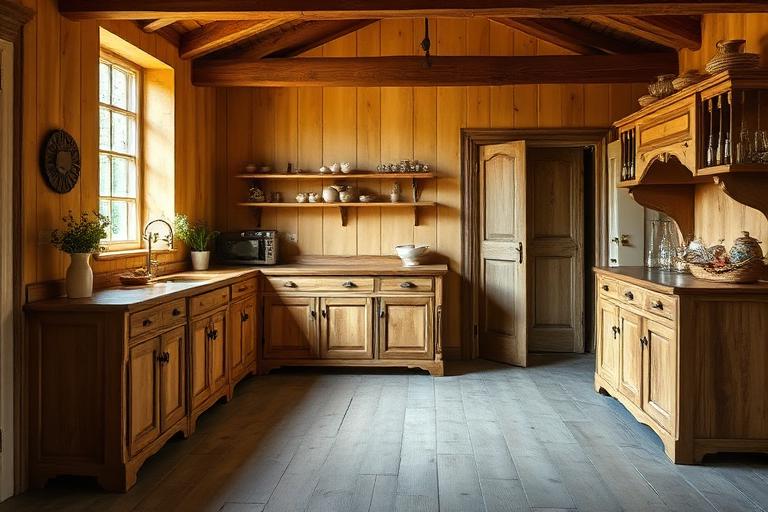
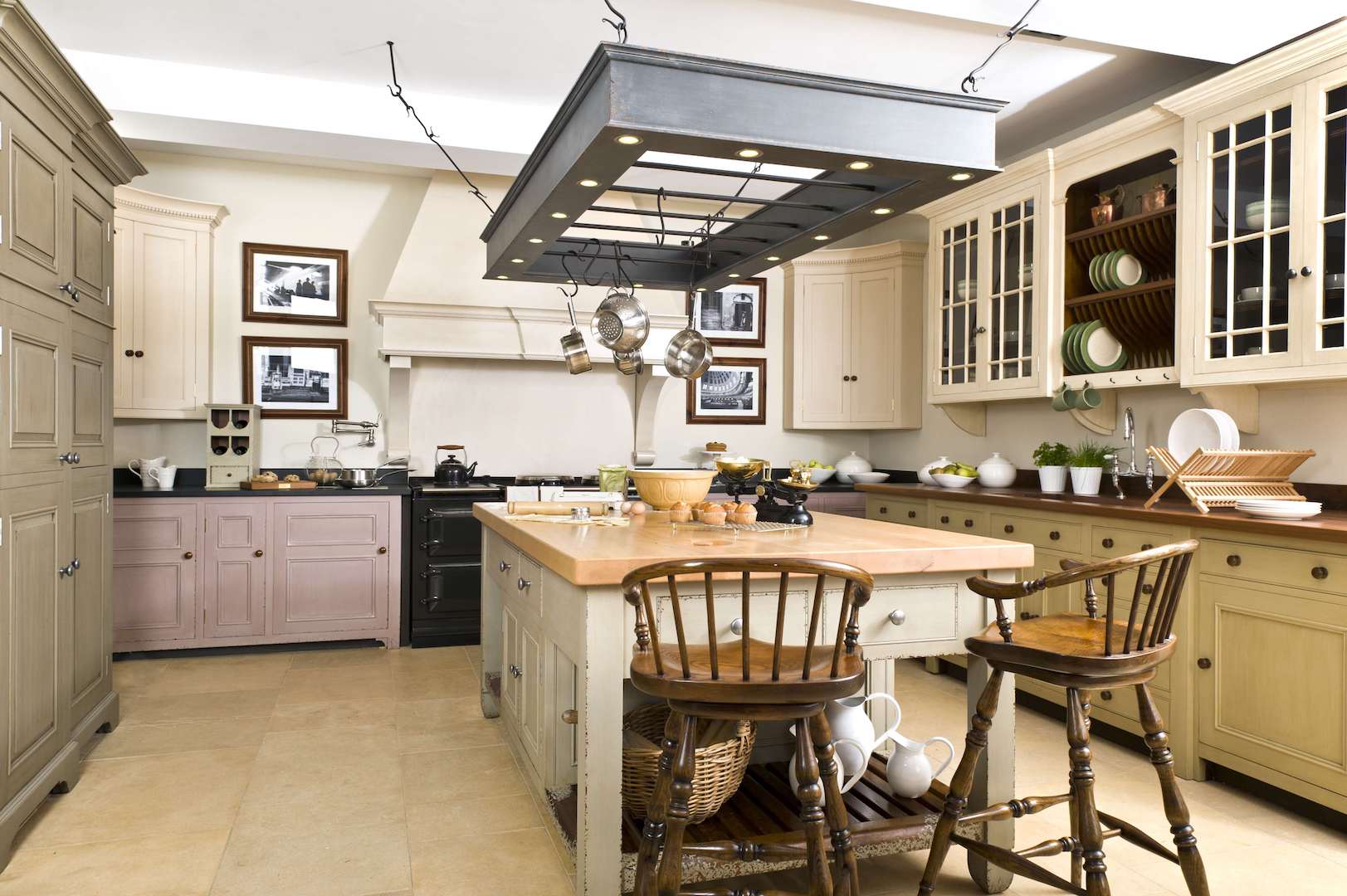
Freestanding kitchens use individual pieces of furniture — dressers, larder cupboards, islands, standalone sinks — rather than a continuous run of fitted cabinetry. The approach borrows from the pre-Victorian kitchen, when furniture was gathered rather than installed. In contemporary UK homes it suits buyers who value flexibility, period character, or want a kitchen that reads as collected rather than installed. Full freestanding kitchens typically start from £20,000; individual pieces can be commissioned from £2,000 upwards. deVOL is the best-known UK maker in this category, with their Heirloom range; Plain English also offers significant freestanding pieces alongside fitted work. Freestanding kitchens are most common in farmhouses, listed buildings, and urban apartments where standard fitting would compromise the architecture.
Freestanding kitchens are not fitted — each piece is furniture, placed rather than installed, and taken when you move. The making tradition is closer to cabinetmaking than kitchen manufacturing, and the results reflect it.
How to choose the right style for your home →FEATURED RANGES
Named collections from leading UK makers
What Is a Freestanding Kitchen?
A freestanding kitchen is one where cabinets, larders, dressers, and work tables are individual pieces of furniture rather than a continuous fitted run. The tradition predates the fitted kitchen by several centuries — the Victorian scullery and the Georgian kitchen were furnished with freestanding pieces that happened to contain food, equipment, and workspace.
Contemporary freestanding kitchens draw on this tradition while meeting modern expectations for storage, appliance integration, and worktop continuity. The best makers work in this style because it allows a level of joinery and finishing detail that fitted cabinets cannot accommodate — true panel-and-frame construction, fitted interiors, and material choices that improve with use.
The practical case for freestanding is also significant: the furniture belongs to you rather than to the house. This matters in rented properties and for buyers who move frequently. The challenge is achieving storage density and worktop continuity comparable to a fitted kitchen — something the better makers in this category have solved convincingly.
Freestanding Kitchen Makers in Our Directory
Alistair Fleming Design
East Sussex · Est. 1985
Barnes of Ashburton
Devon
Bath Bespoke
Wiltshire · Est. 2009
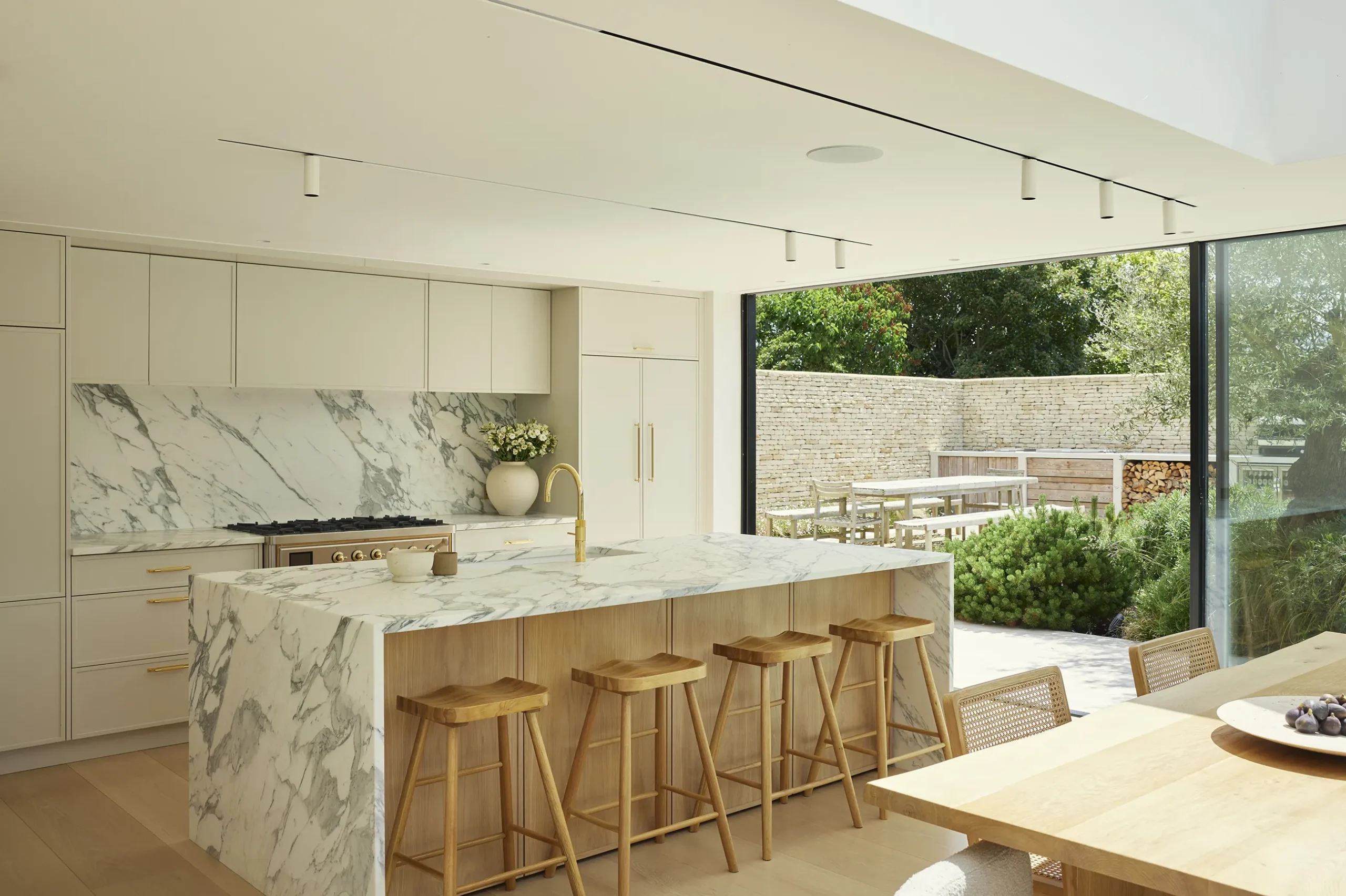
Bath Kitchen Company
Somerset · Est. 1987
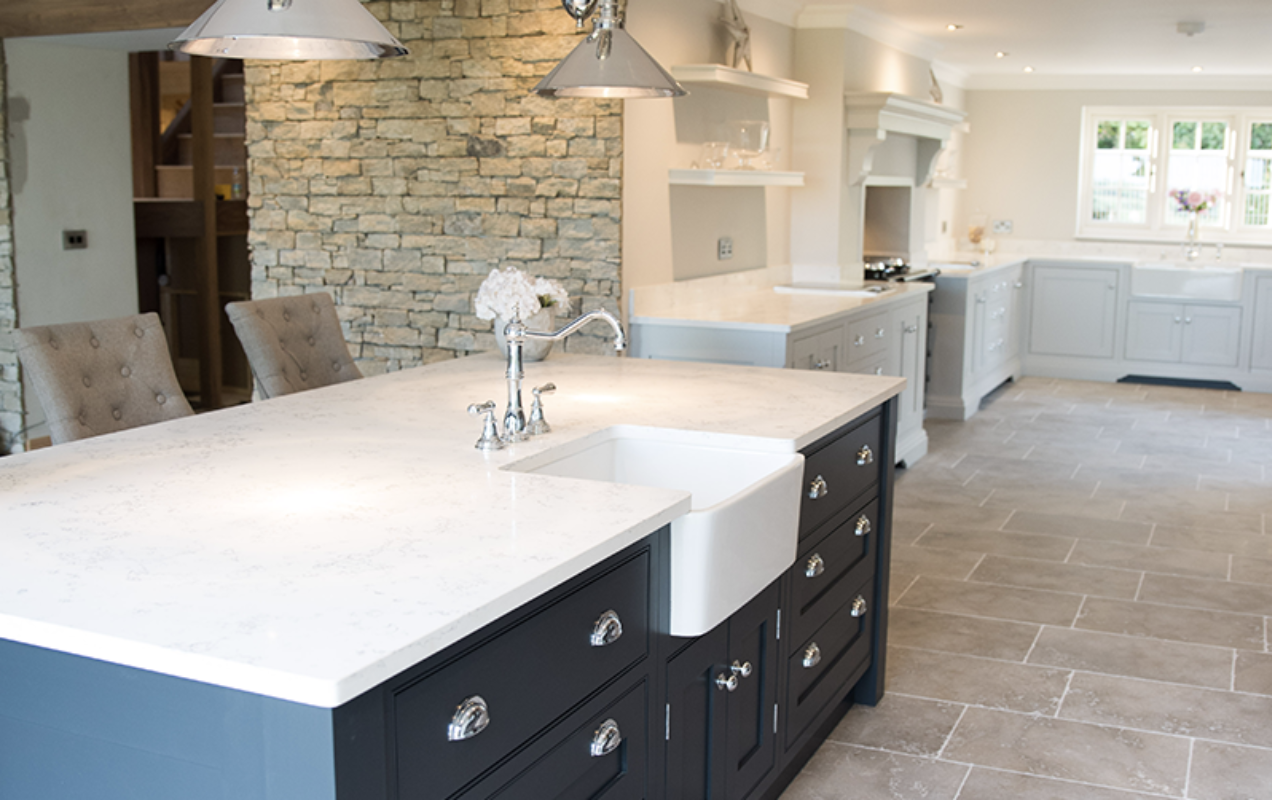
Bespoke UK
Bridgend
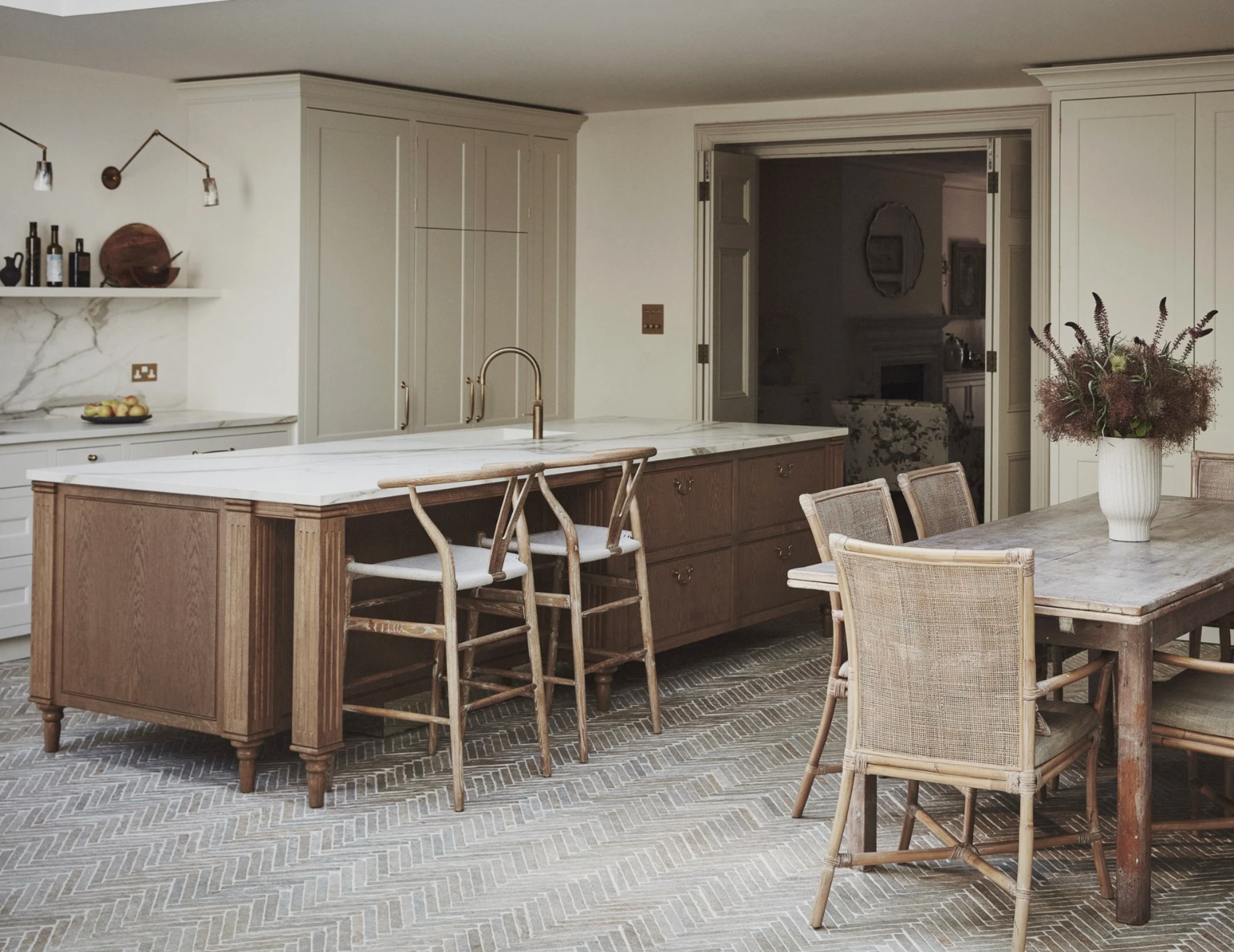
Blakes London
Greater London · Est. 2013
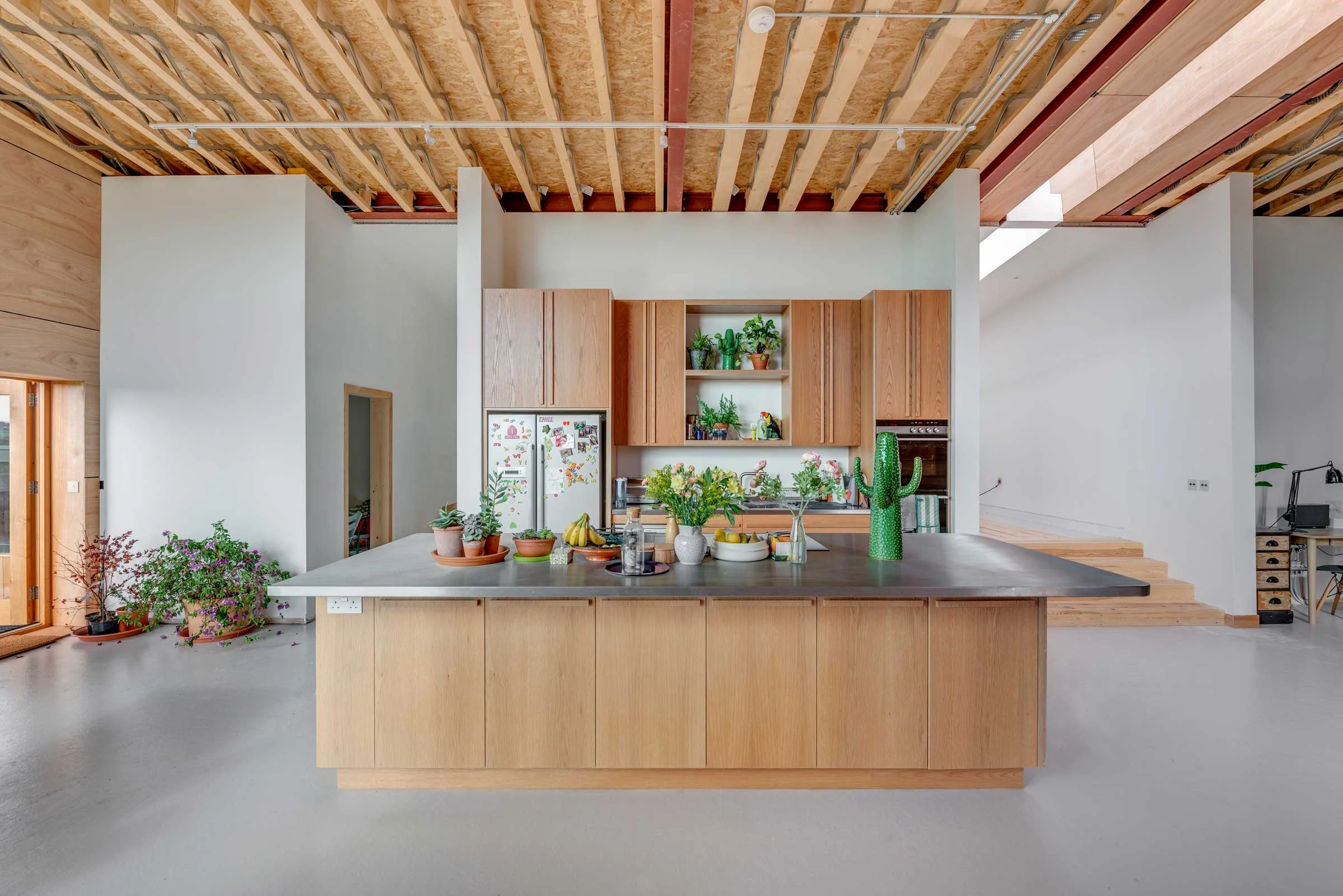
Broad and Turner
Cornwall
Chalon
Somerset · Est. 1978
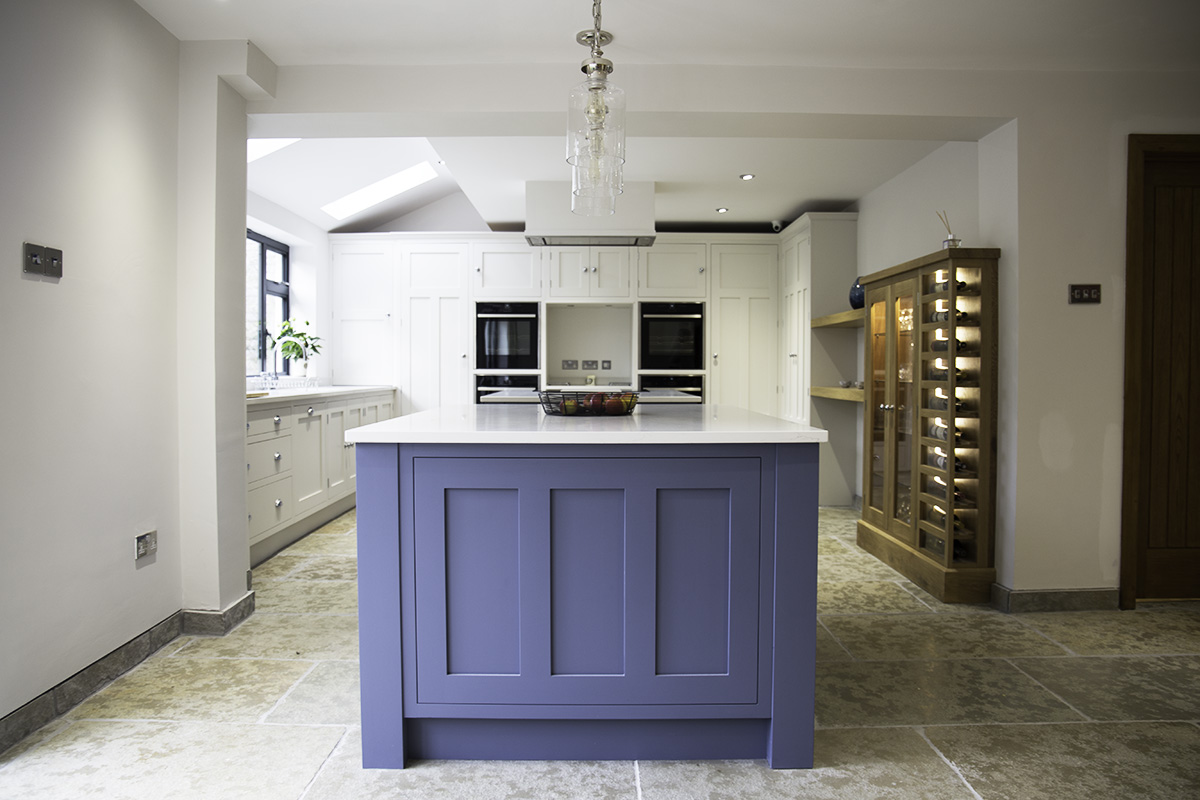
Daniel Scott Kitchens
Cheshire
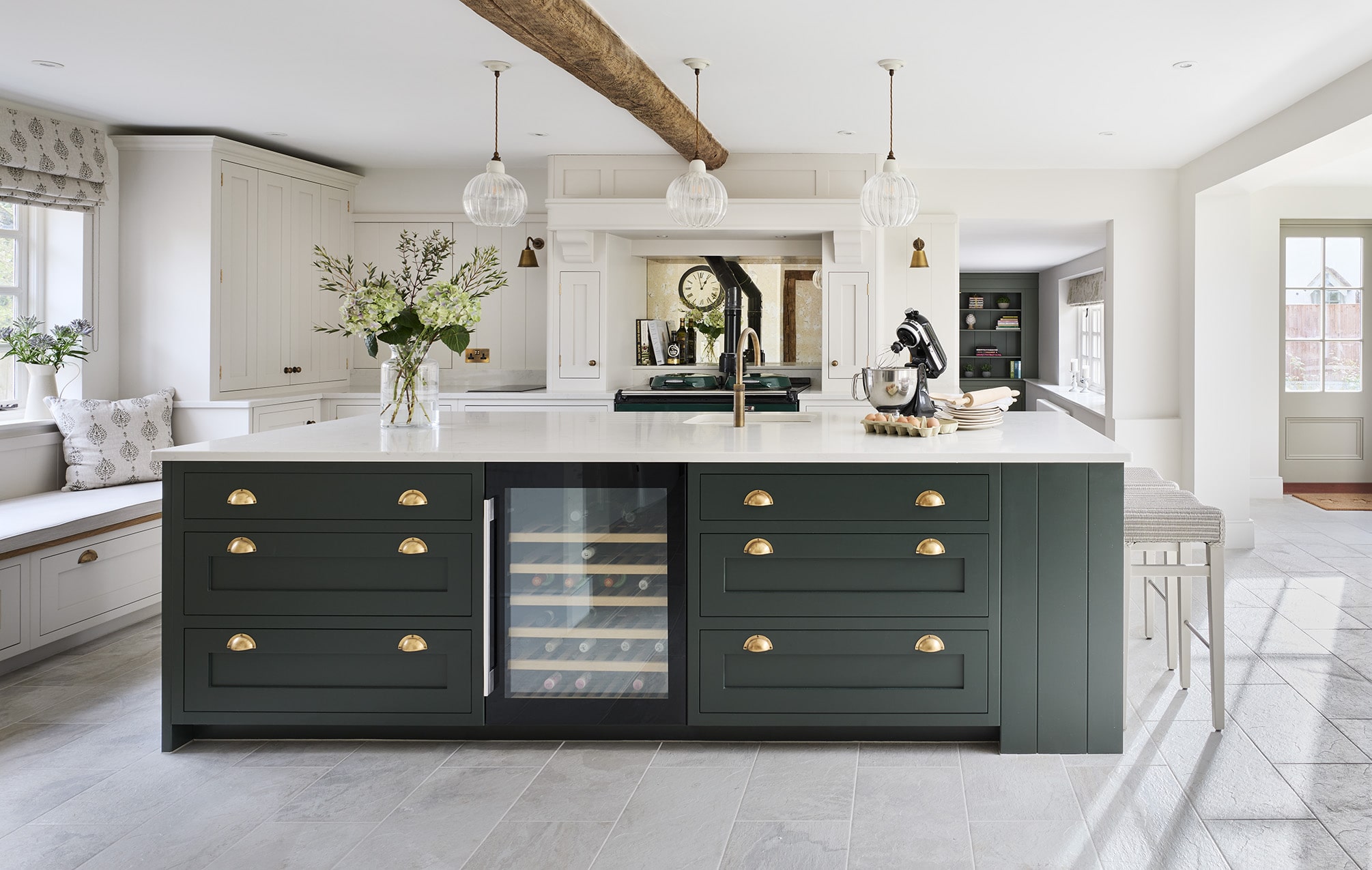
Davonport
Essex · Est. 1996
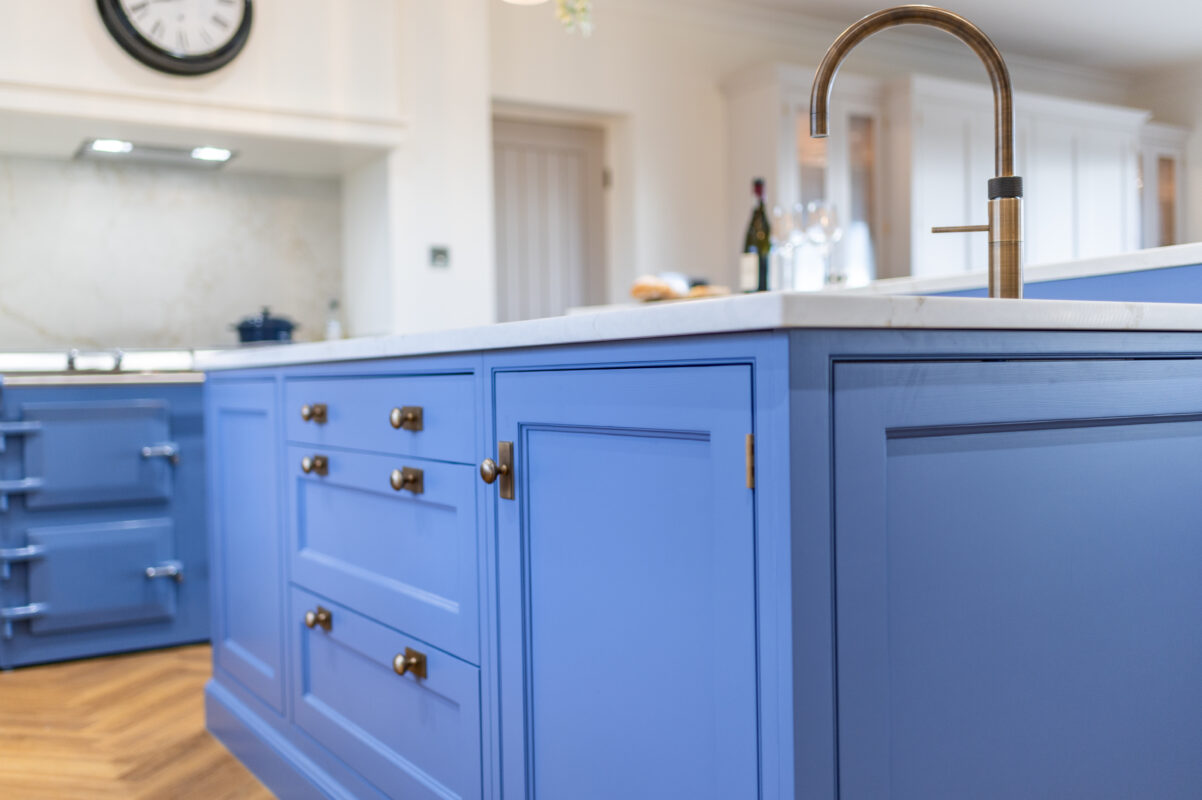
Delamere Bespoke
Kent
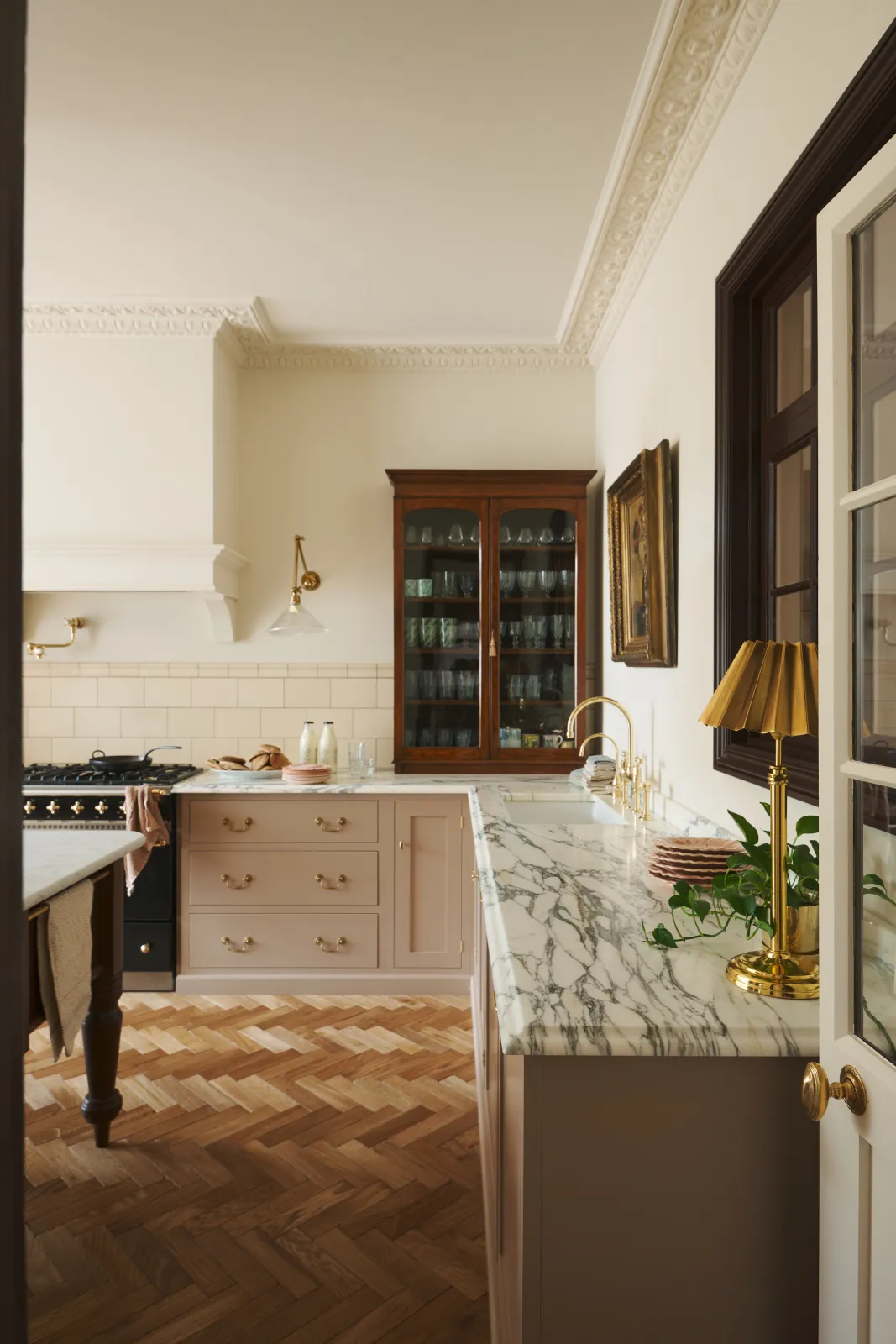
deVOL Kitchens
Leicestershire · Est. 1989
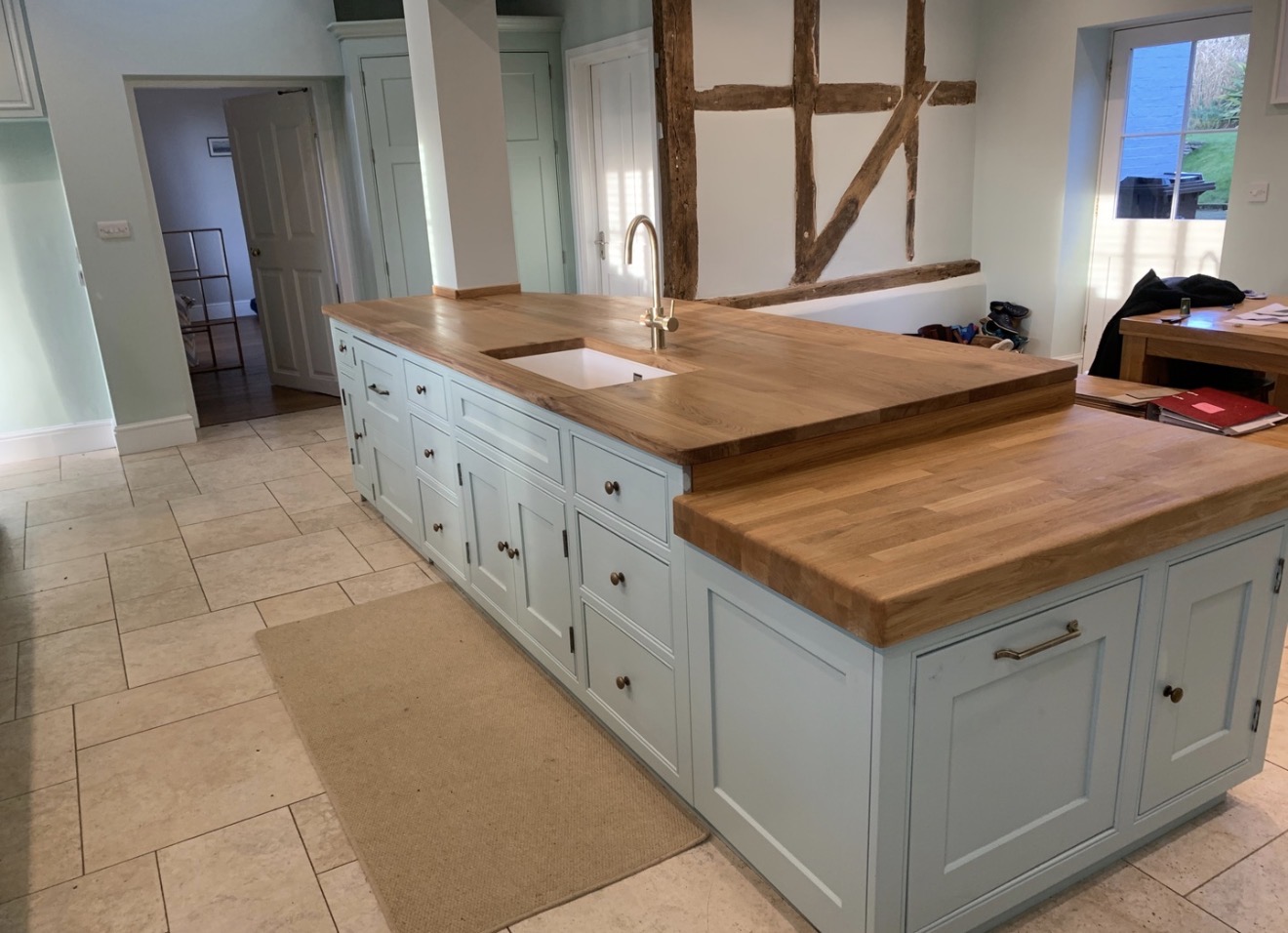
Discovery Kitchens and Joinery
Worcestershire · Est. 2020
Earsham Hall Kitchens and Interiors
Suffolk · Est. 1994
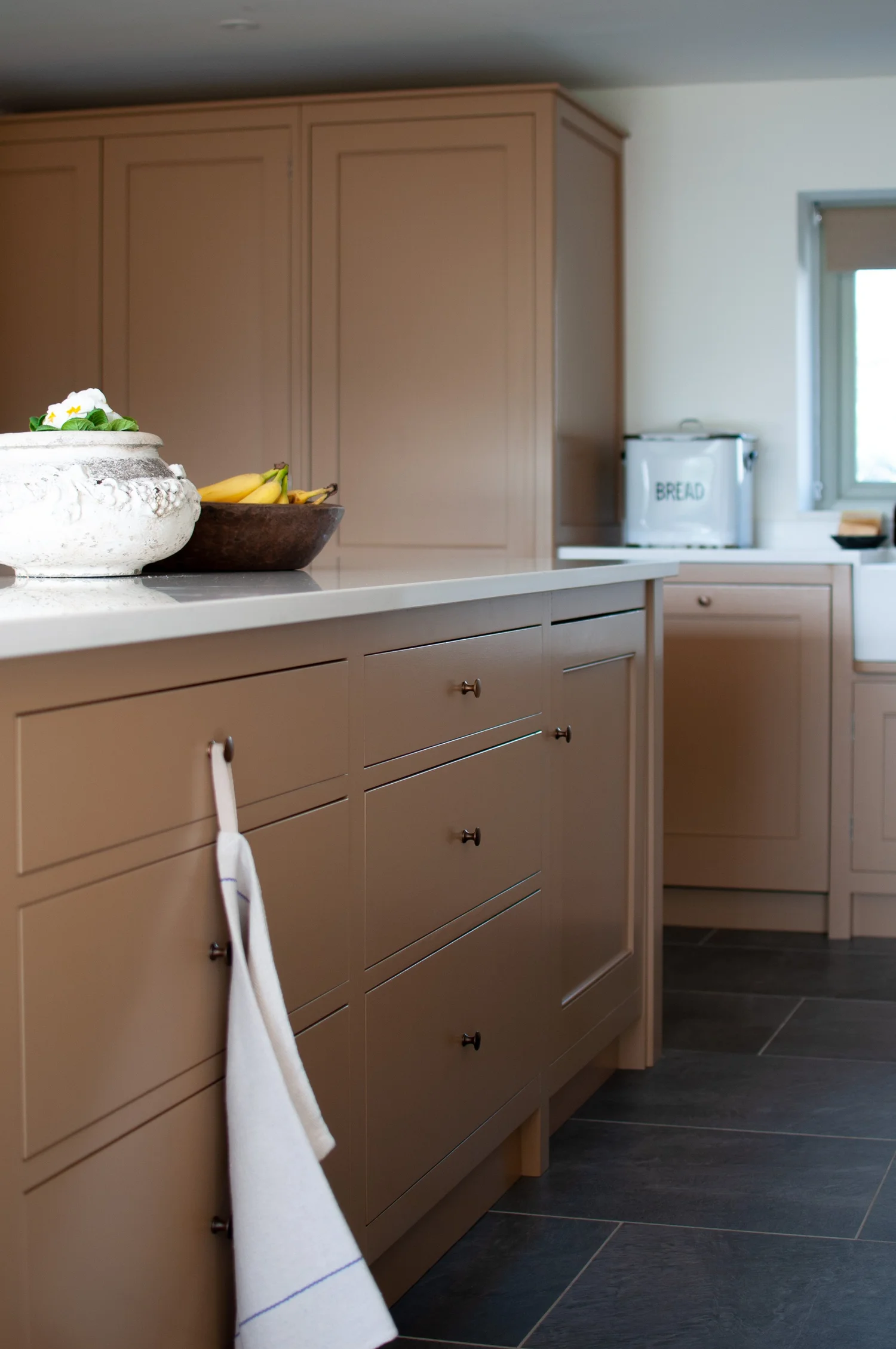
Eastburn
West Yorkshire · Est. 1995
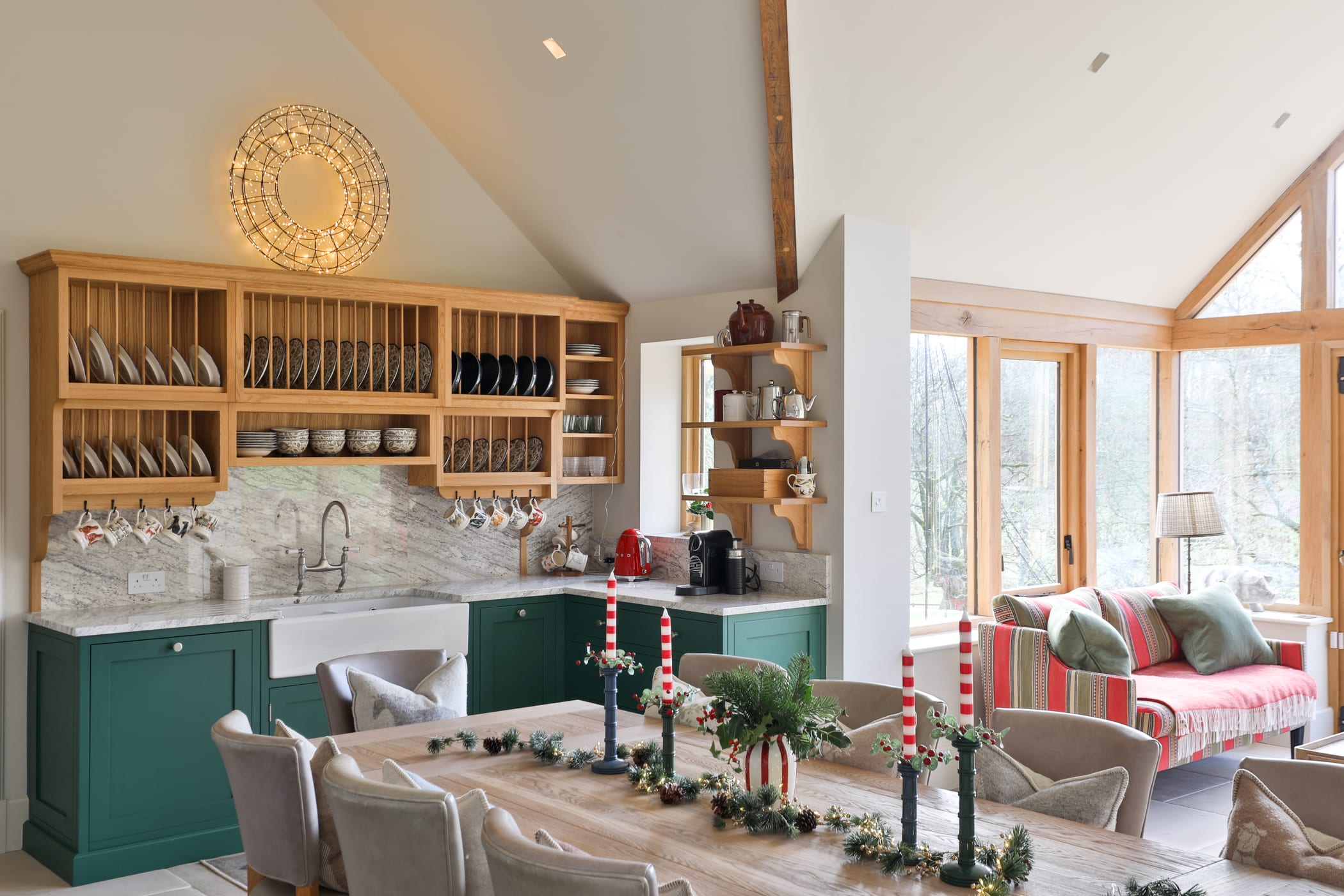
Evie Willow
Oxfordshire · Est. 2013
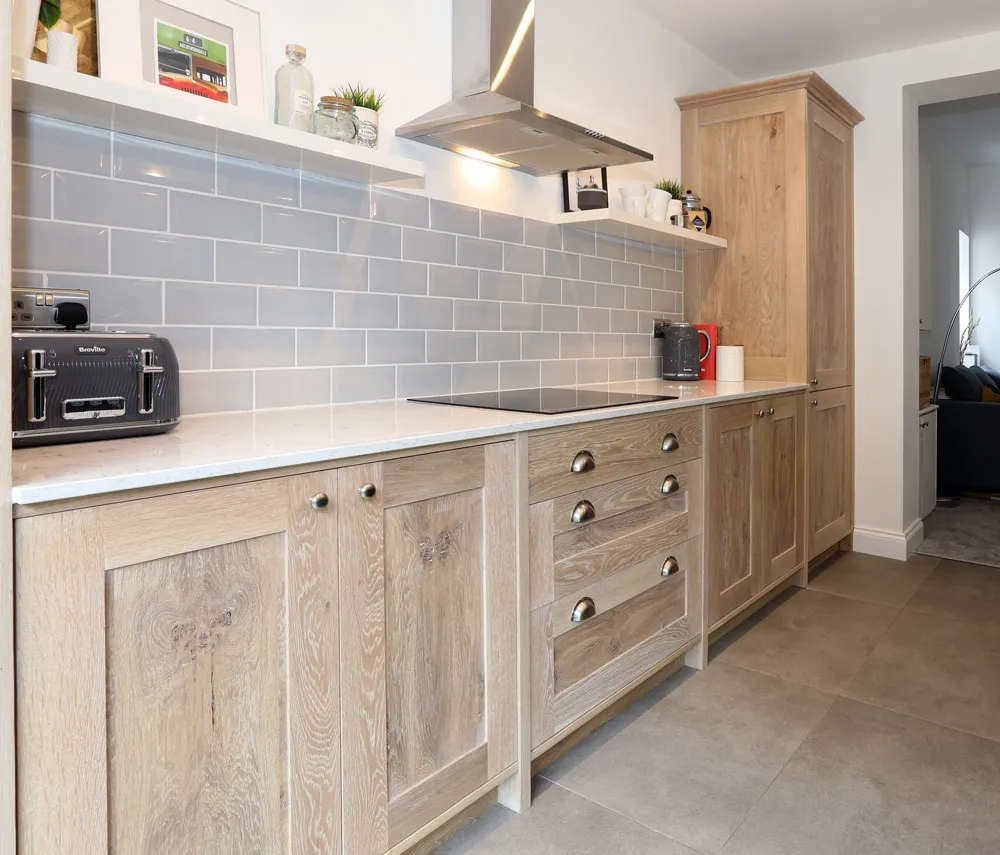
Fairlie Furniture
Ayrshire · Est. 1999
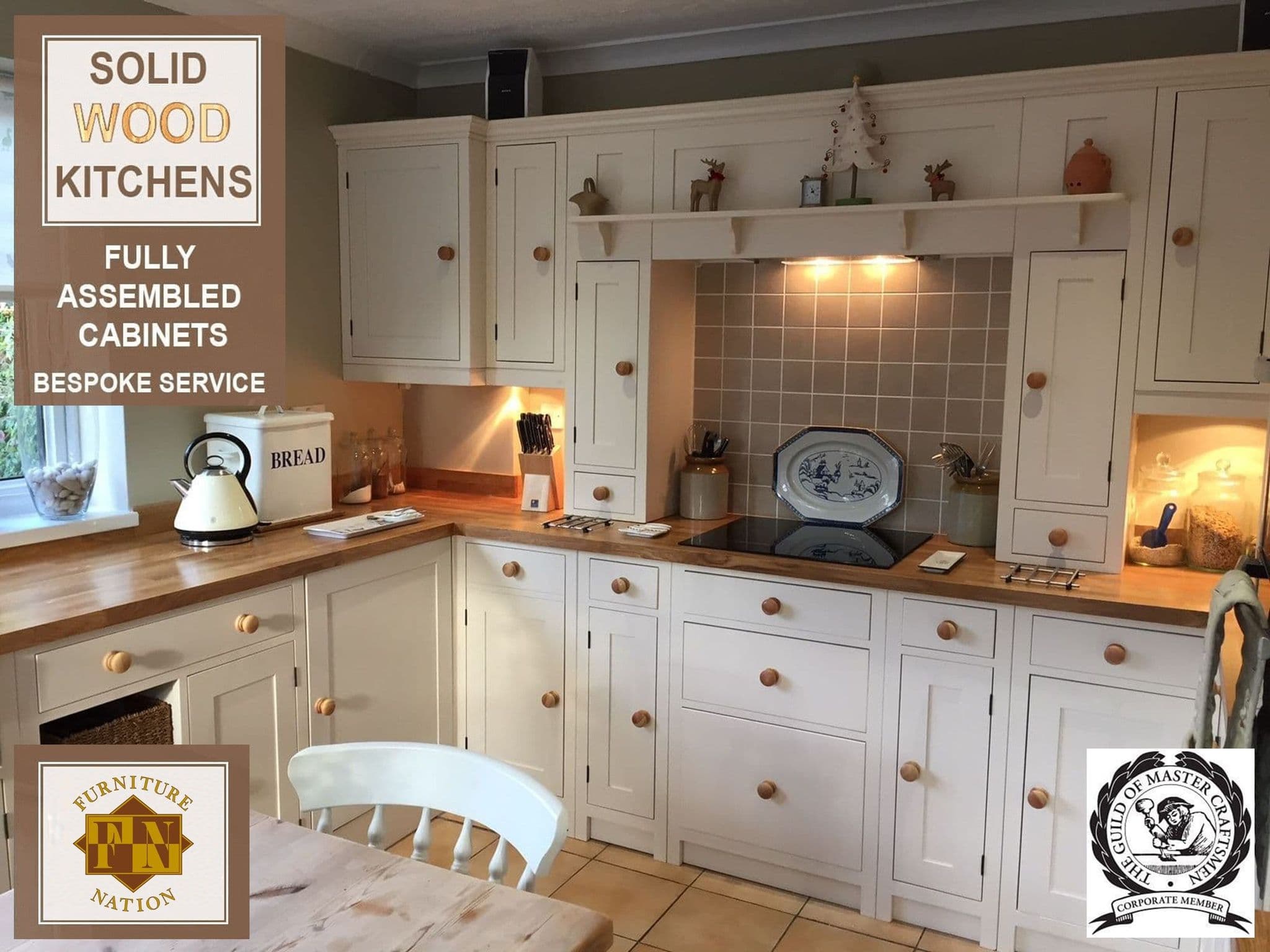
Furniture Nation
West Midlands · Est. 1998
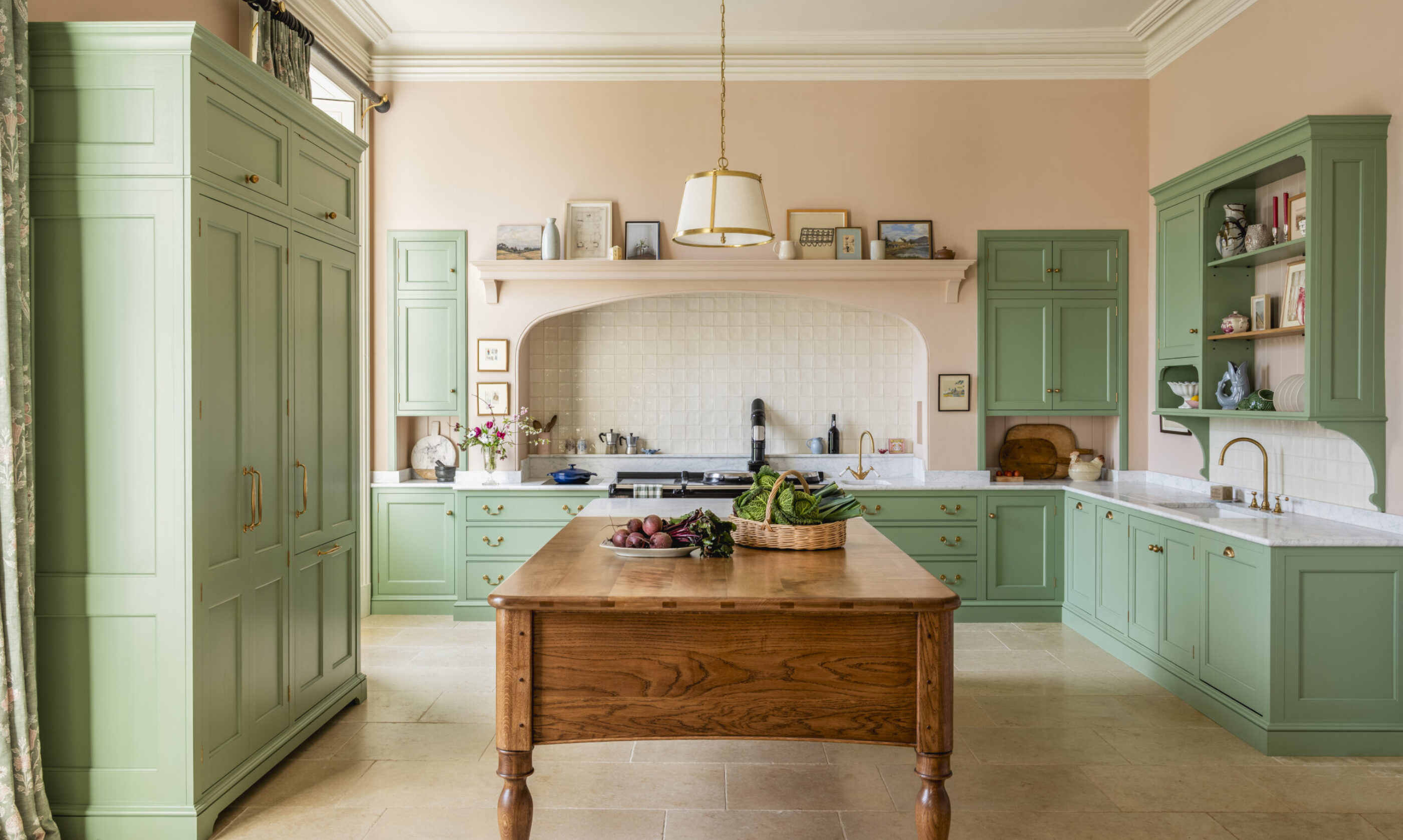
Guild Anderson
Wiltshire · Est. 2006
Hancock and Read
South Yorkshire · Est. 1985
Handmade Kitchens Direct
Lancashire · Est. 2019
Harrison and Pope
Herefordshire · Est. 1995
Harvey Jones
Cambridgeshire · Est. 1977
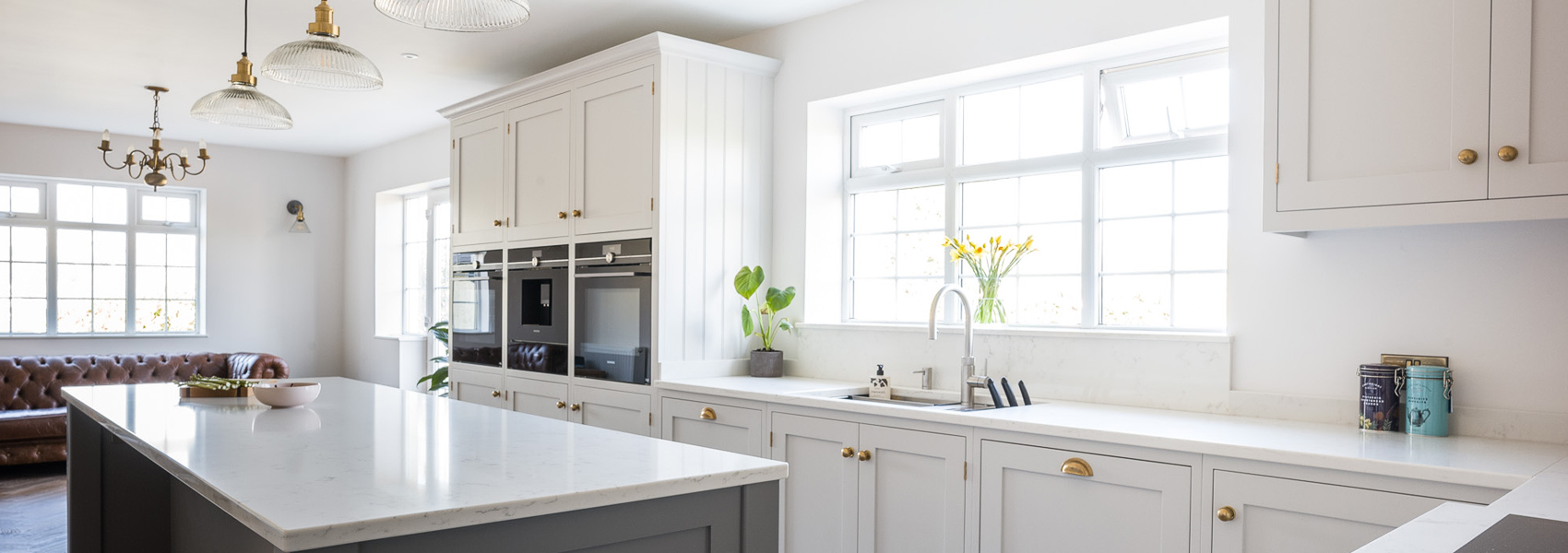
Hayton and Higgins
Cumbria
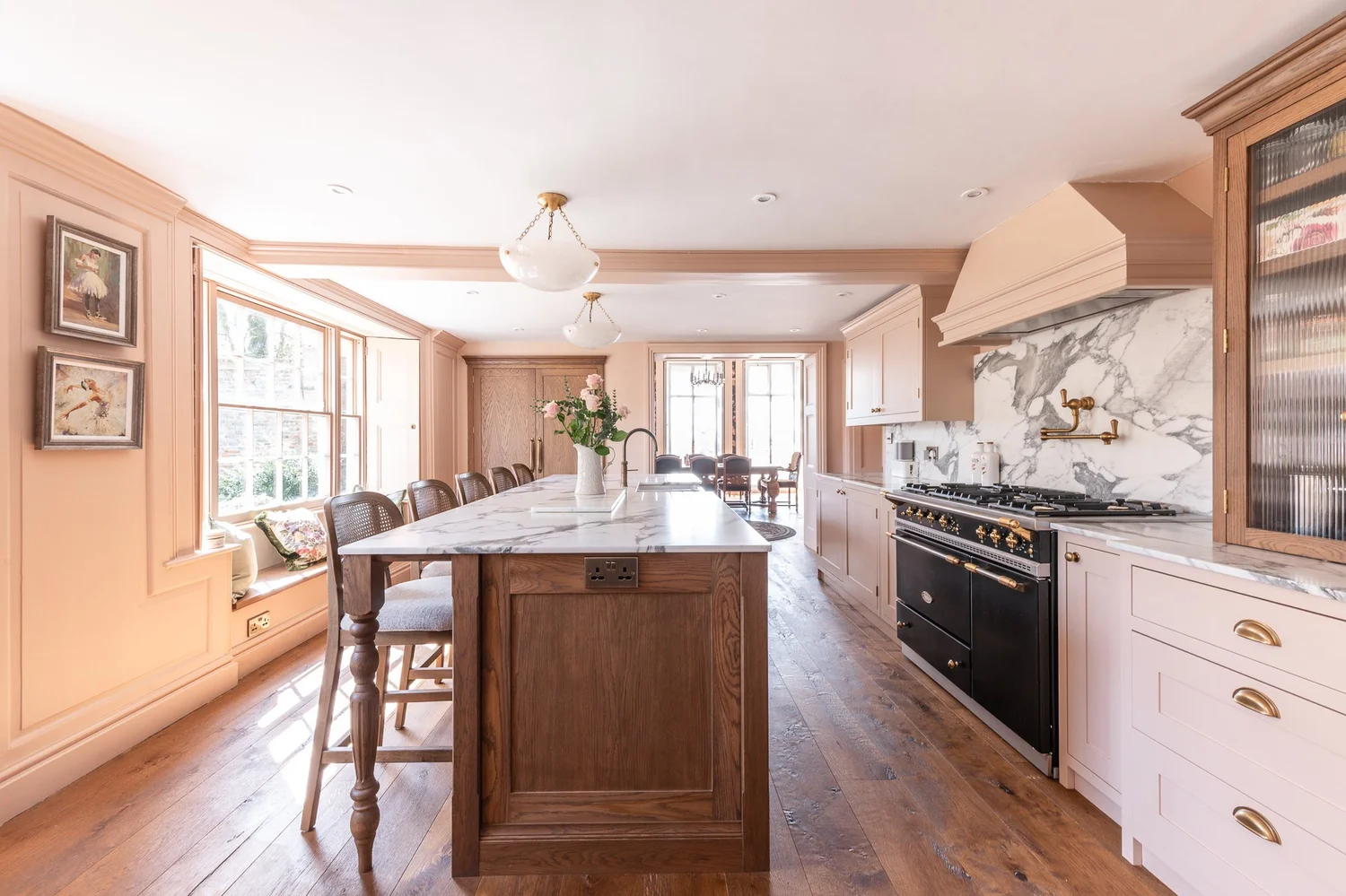
Herringbone House
Kent · Est. 2014
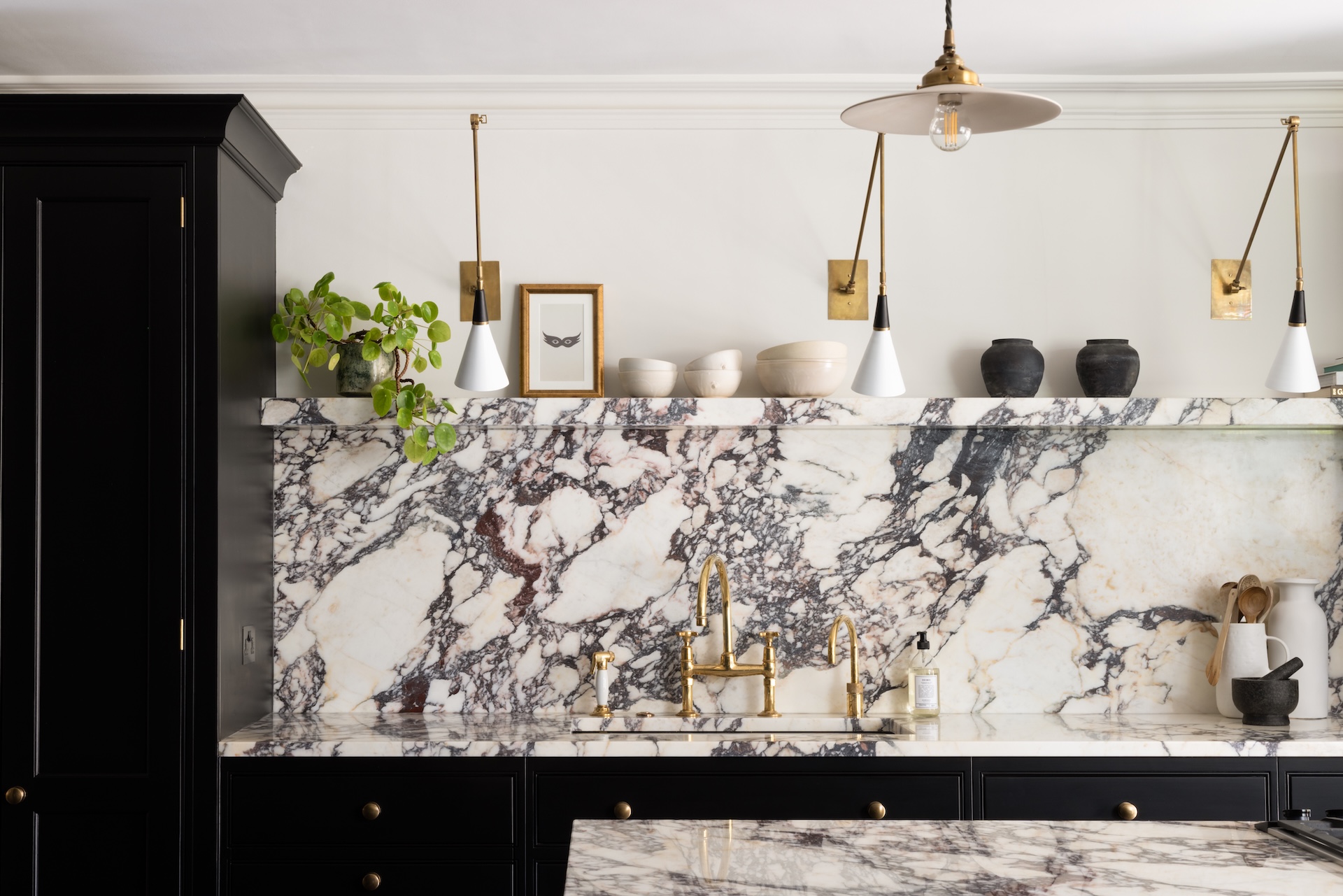
Humphrey Munson
Essex · Est. 1995
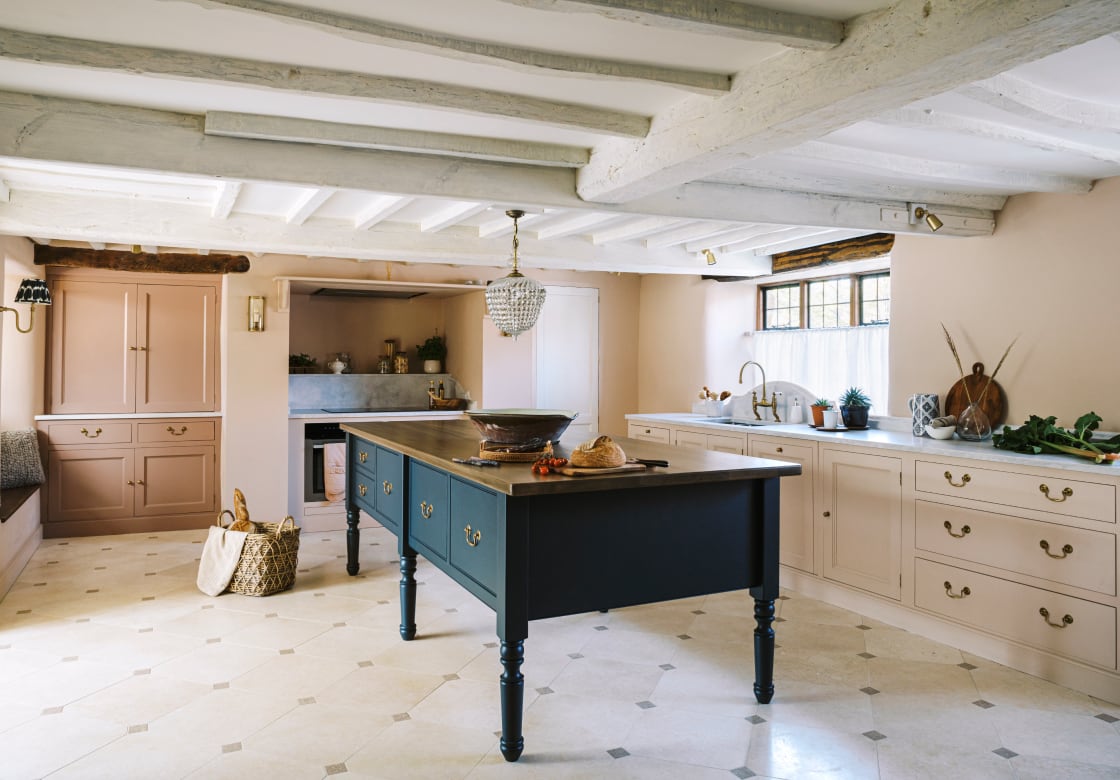
Hunt Bespoke Kitchens
Oxfordshire · Est. 1999
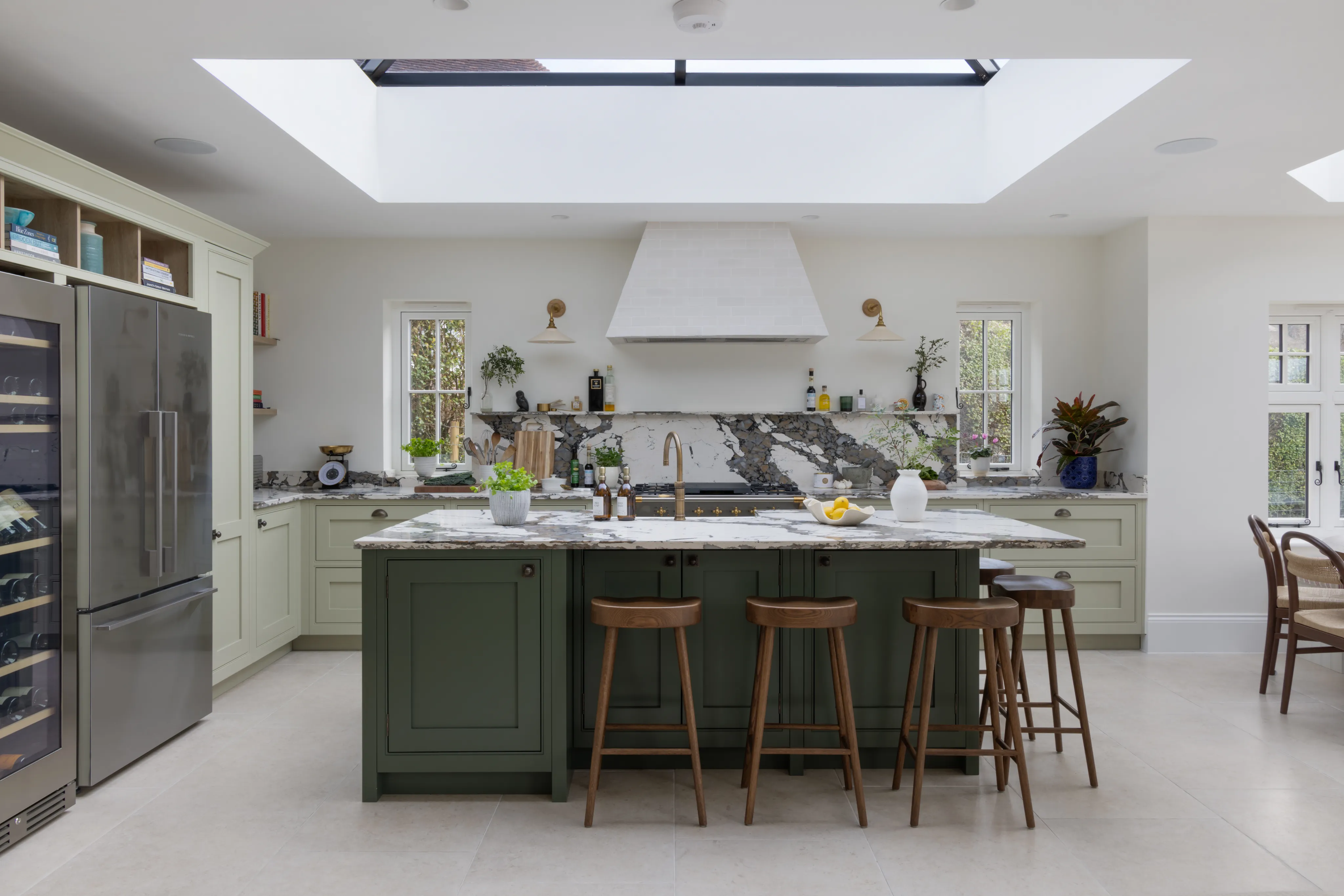
Life Kitchens
Greater London · Est. 1915
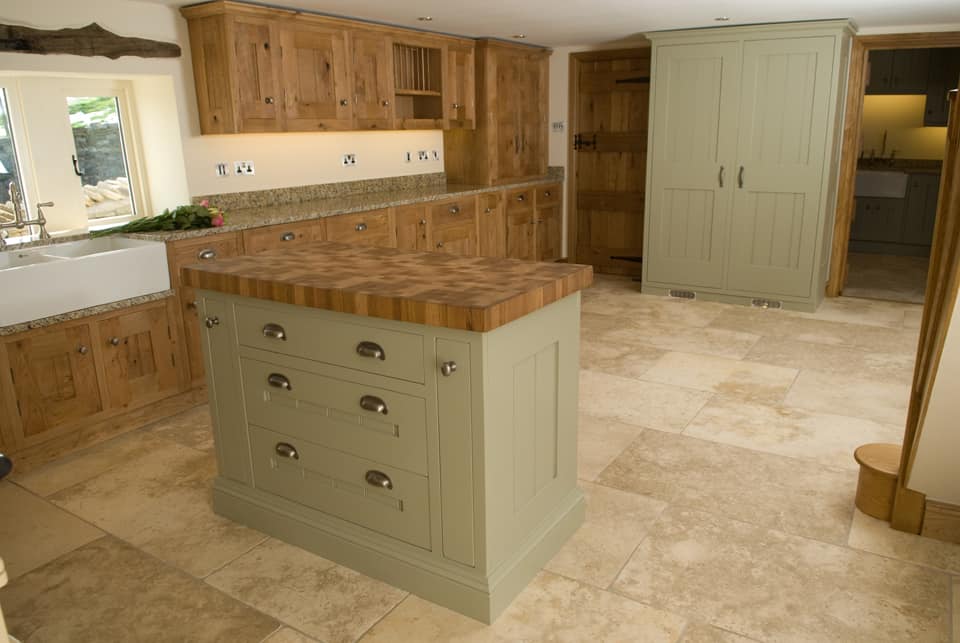
Love Wood Kitchens
South Yorkshire
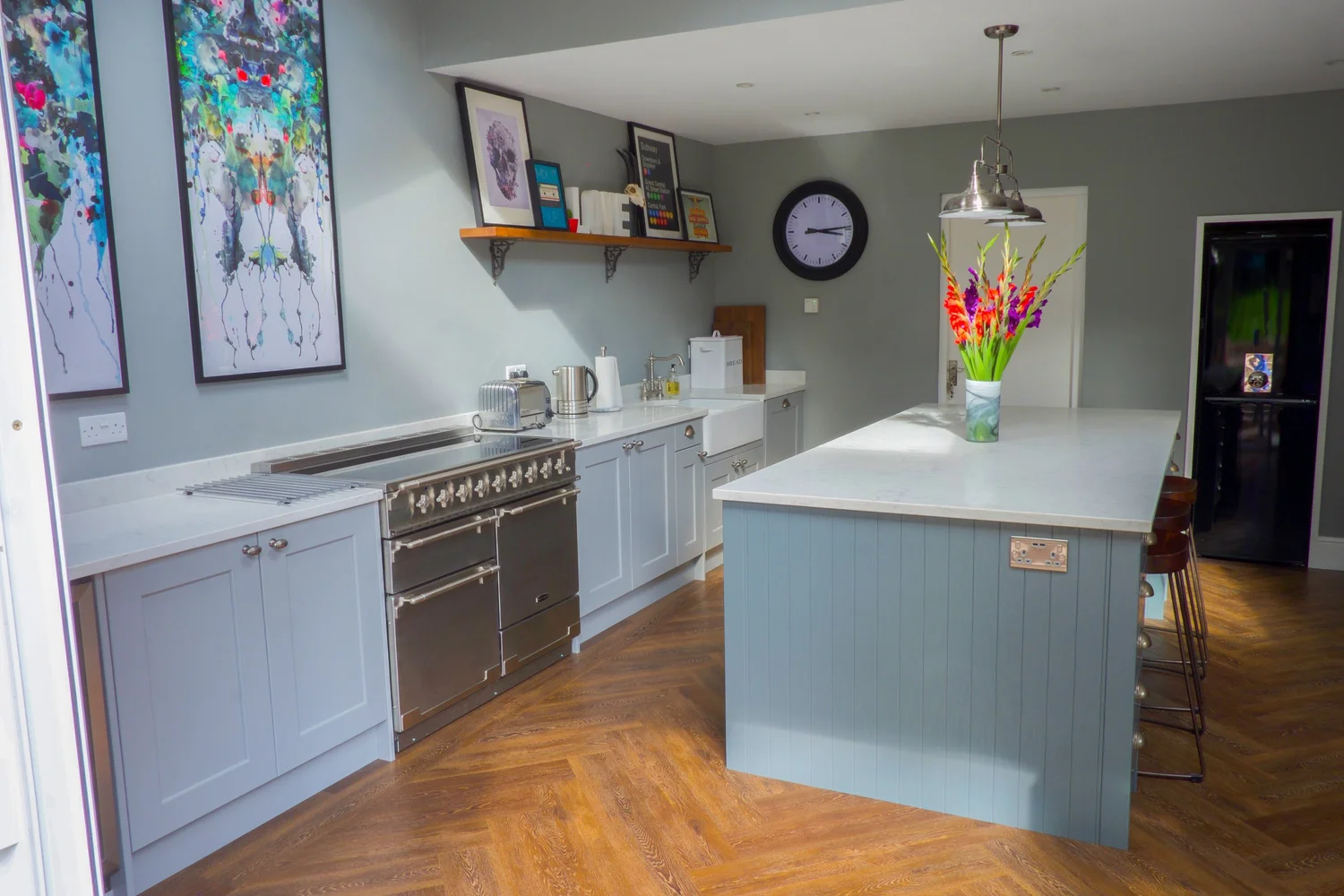
Made By 68
Hertfordshire
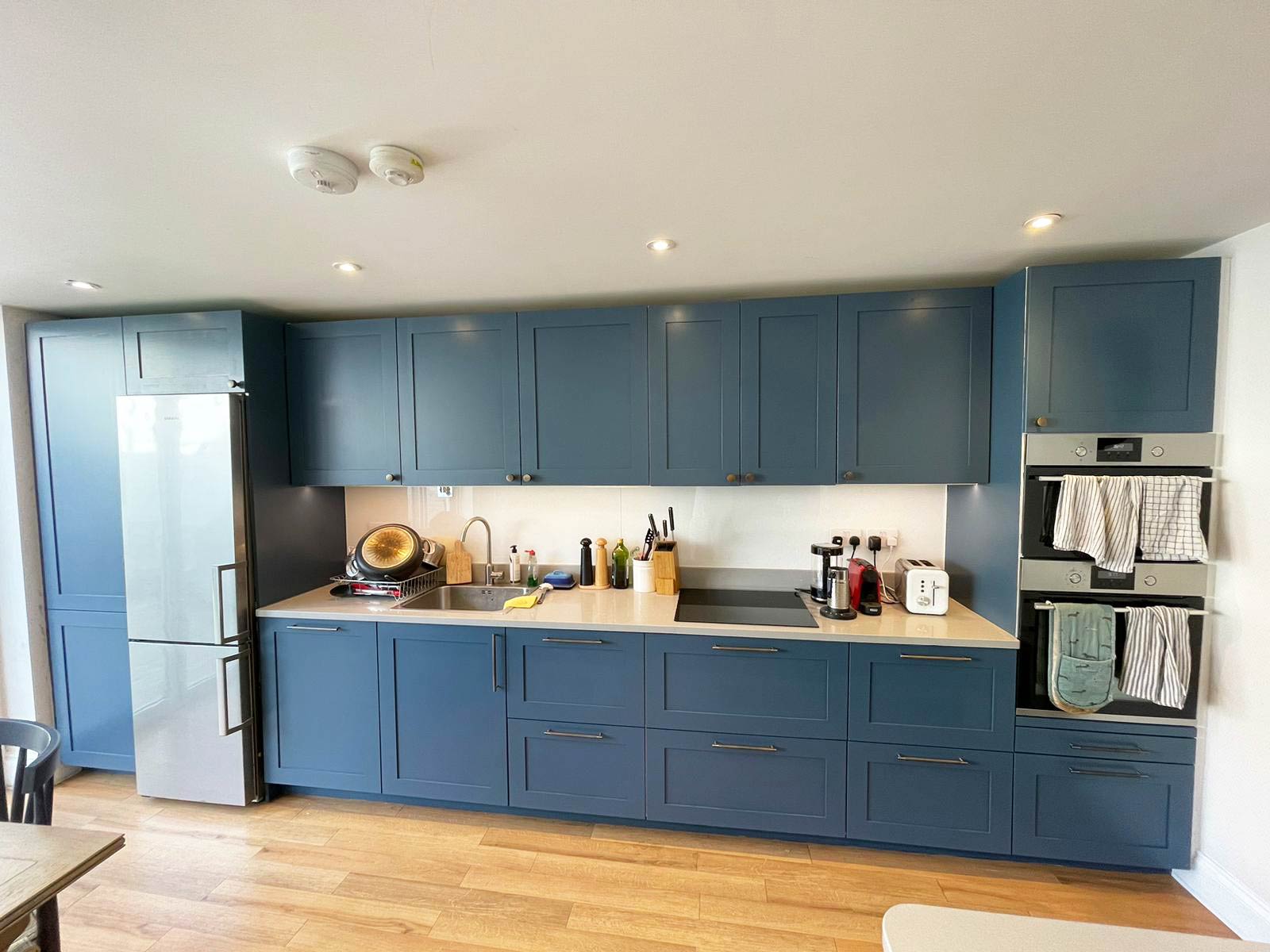
Marino Bespoke Interiors
Kent
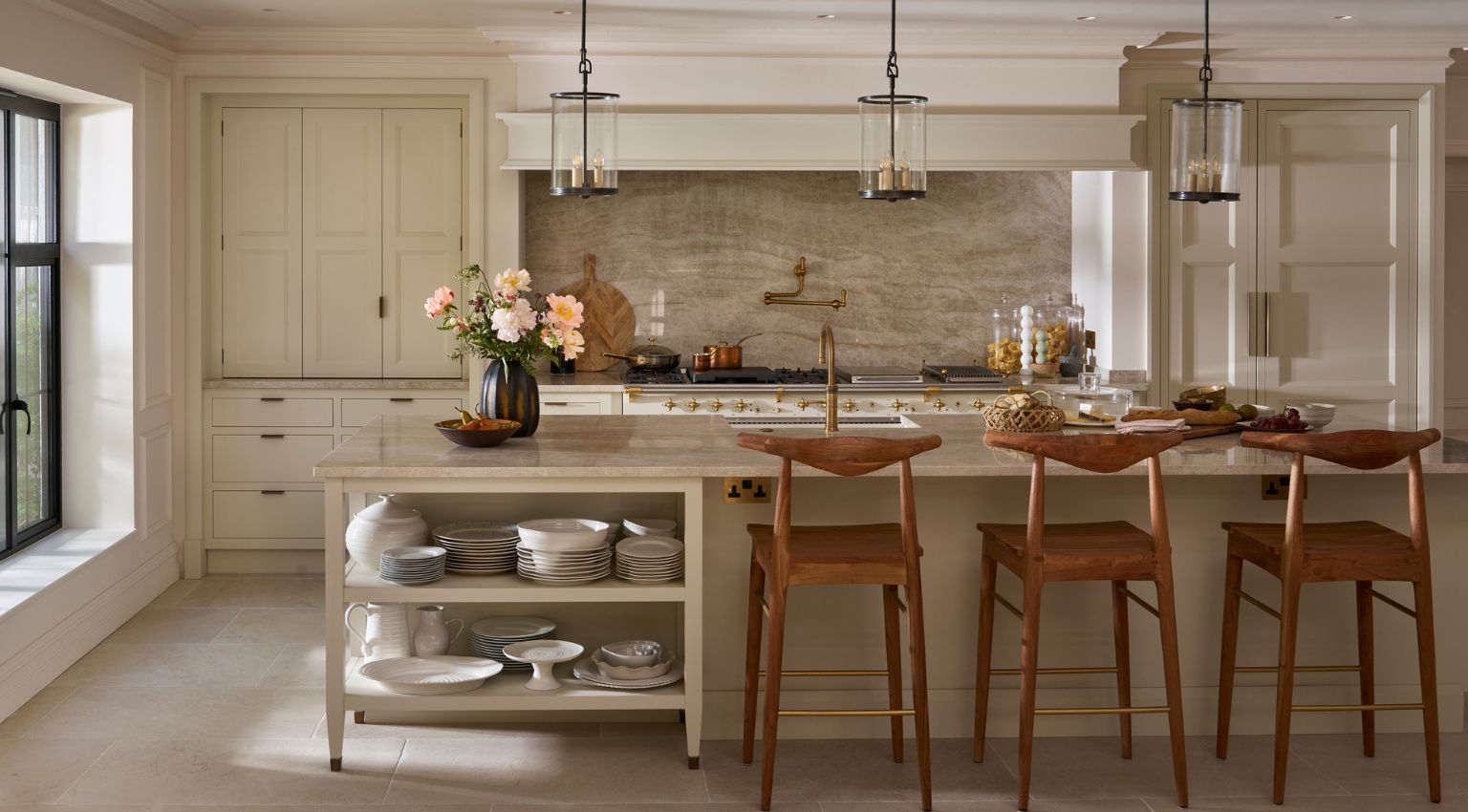
Martin Moore
West Yorkshire · Est. 1975
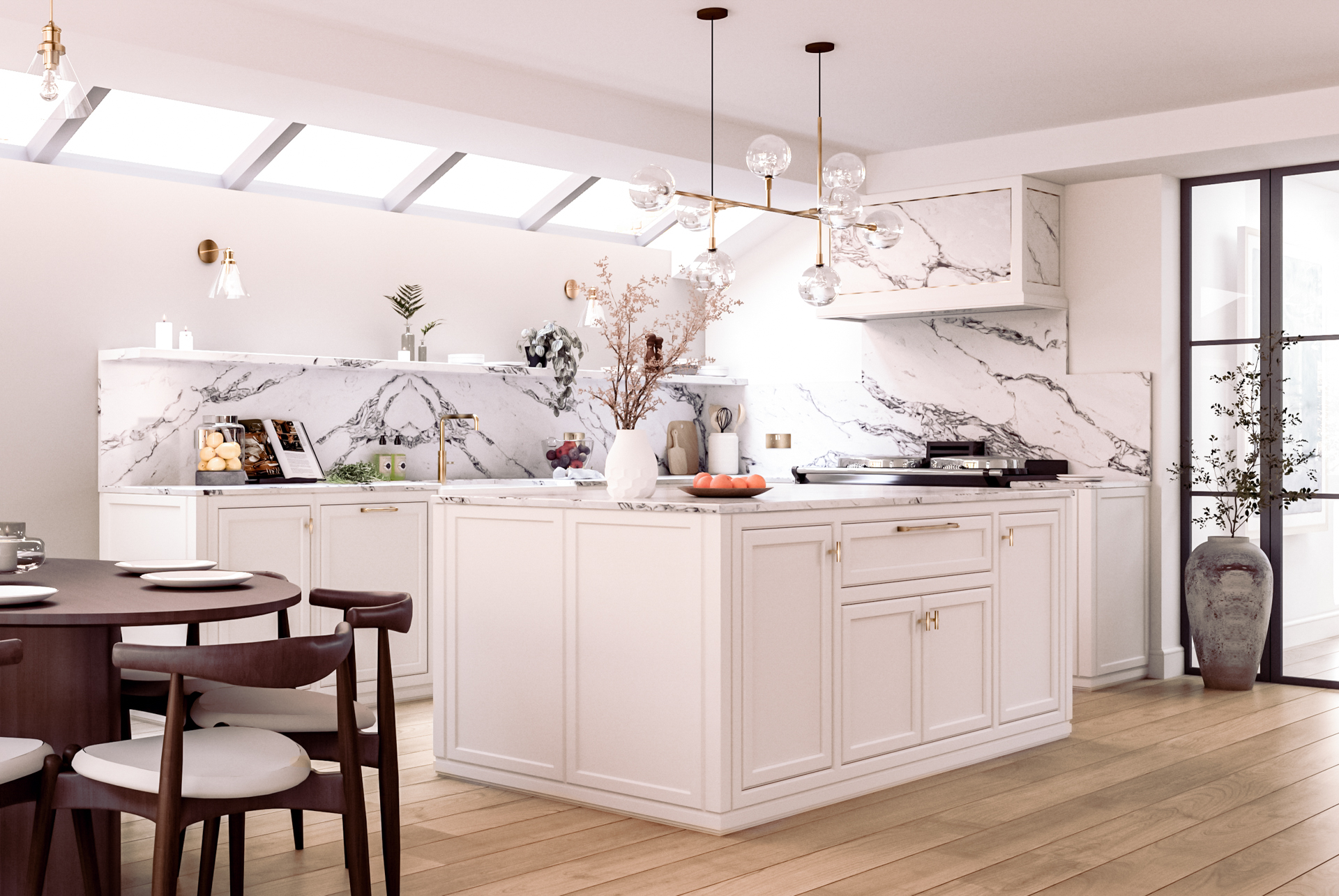
Modern British Kitchen Company
Hampshire · Est. 2016
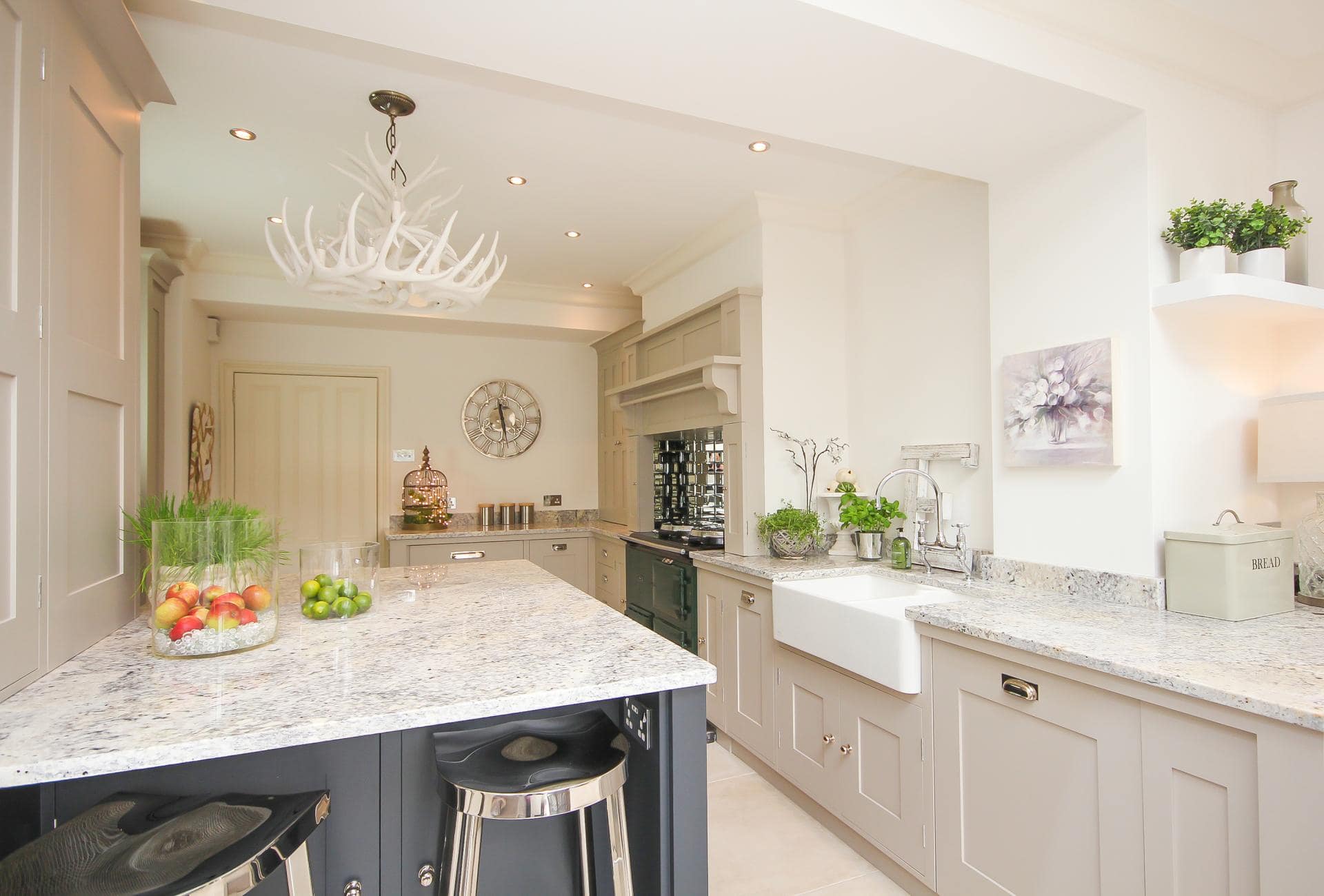
My Fathers Heart
South Yorkshire
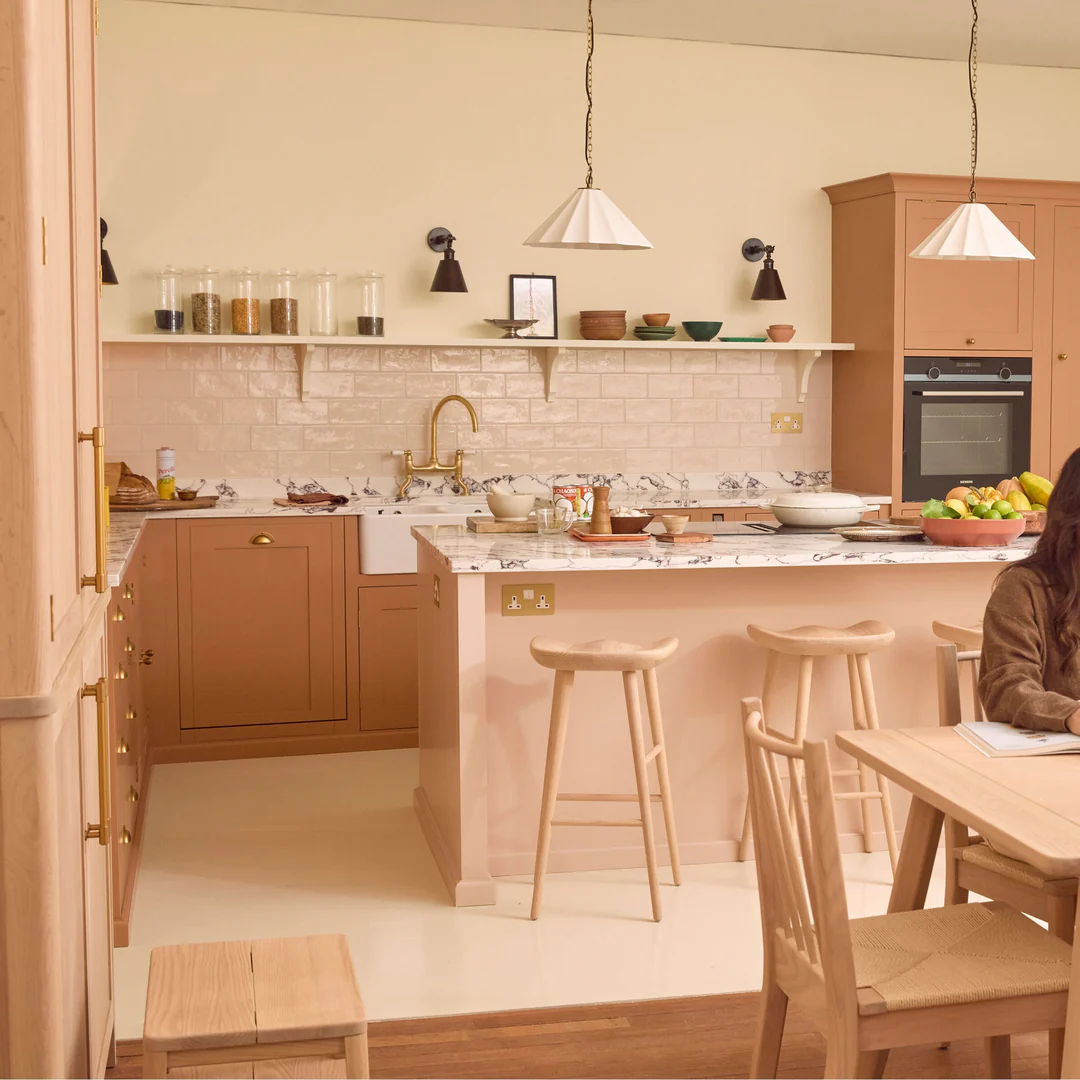
Neptune
Wiltshire · Est. 1996
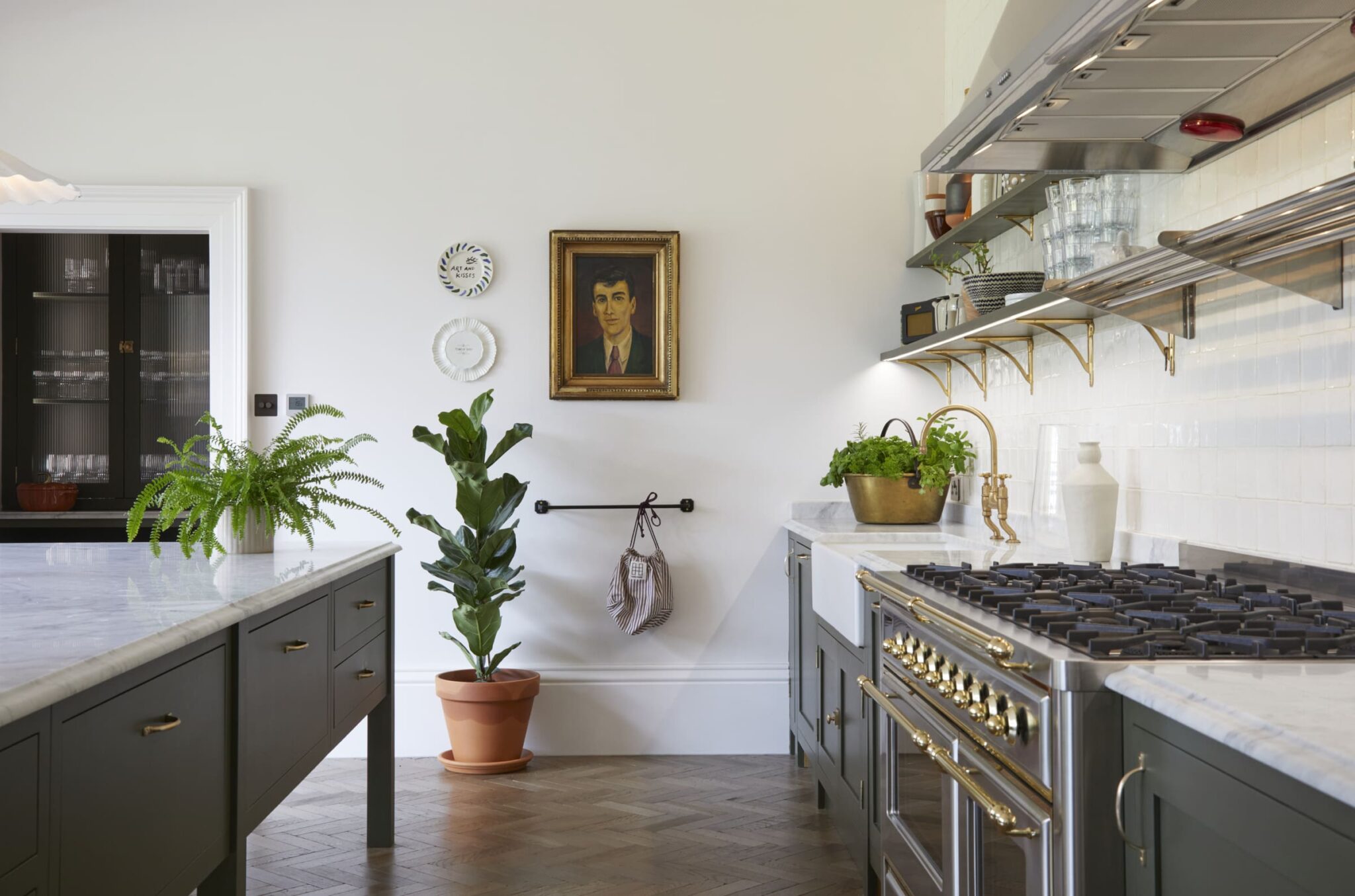
Olive and Barr
Gloucestershire · Est. 2018
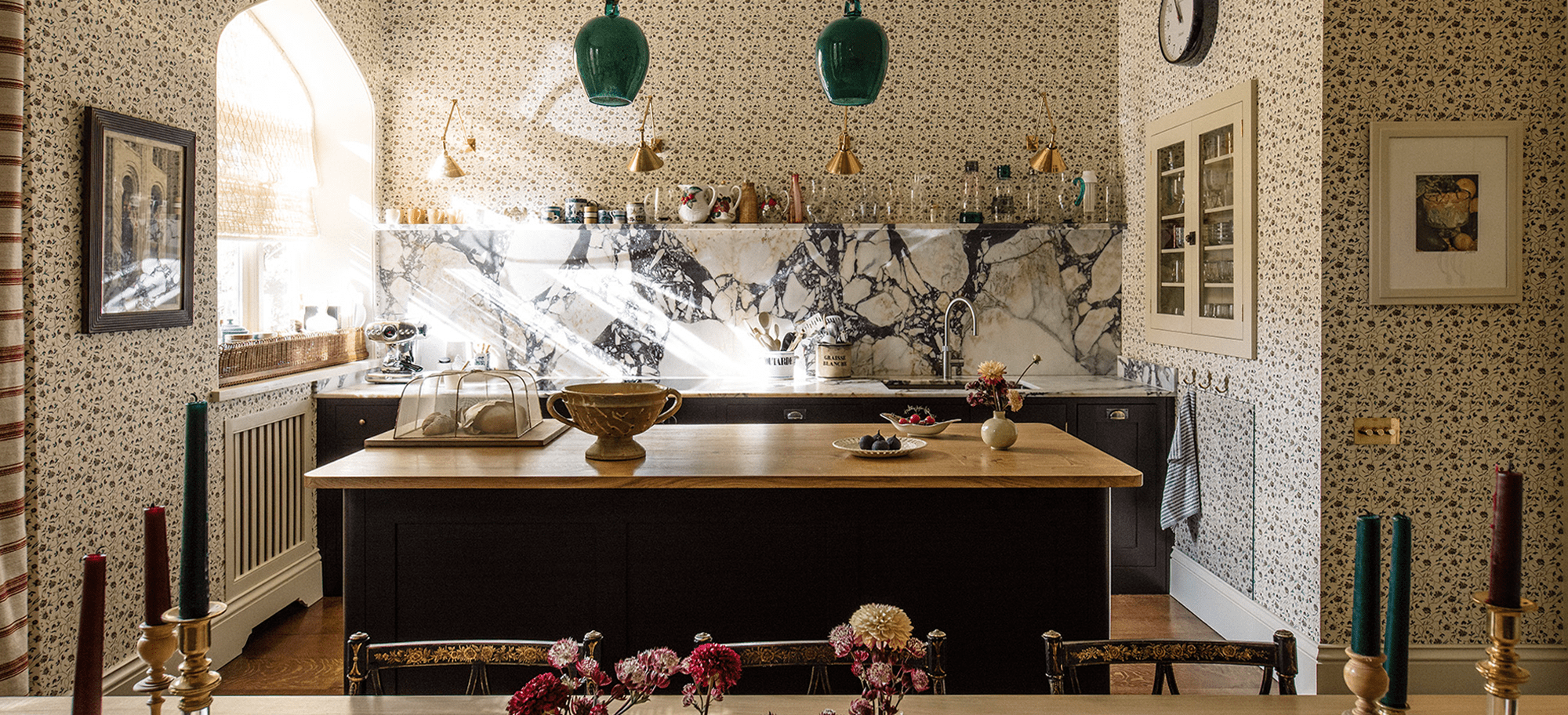
Plain English
Suffolk · Est. 1992
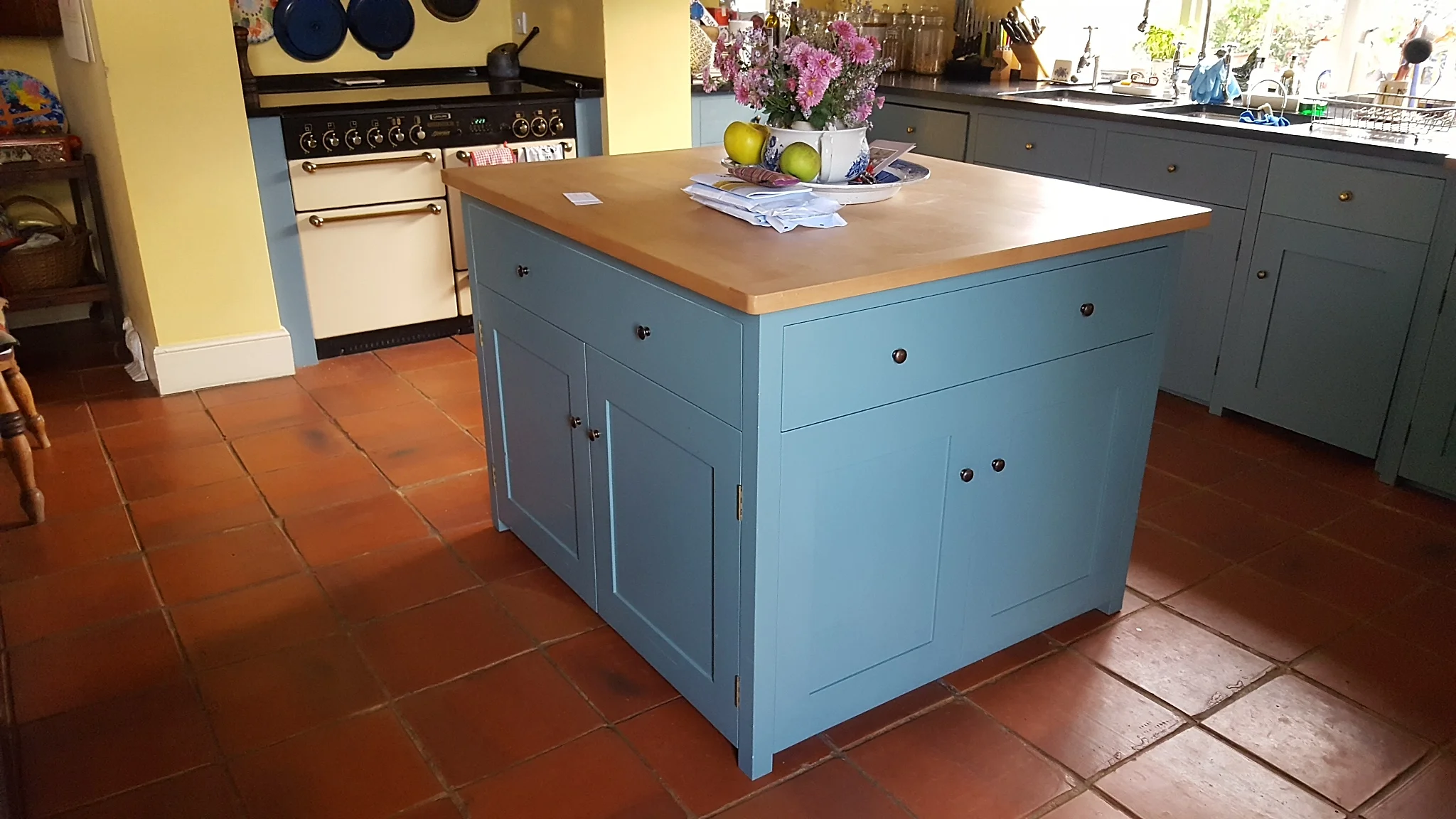
R and J Cabinet Makers
Suffolk
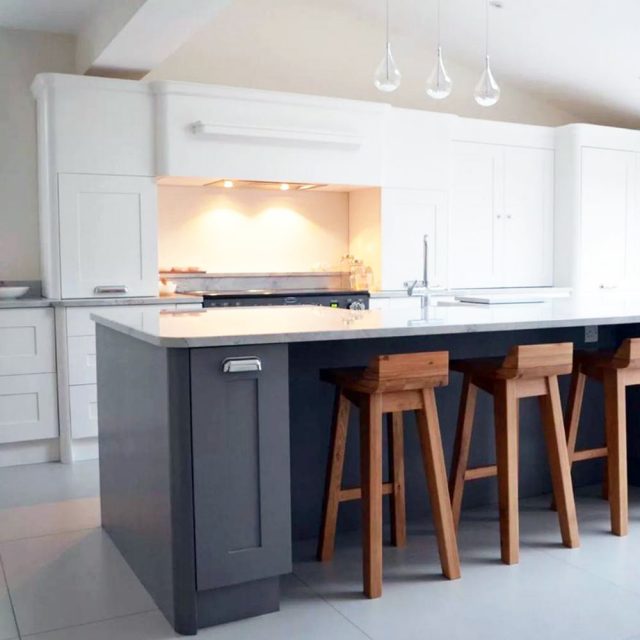
Rainbows Furniture
Nottinghamshire · Est. 2011
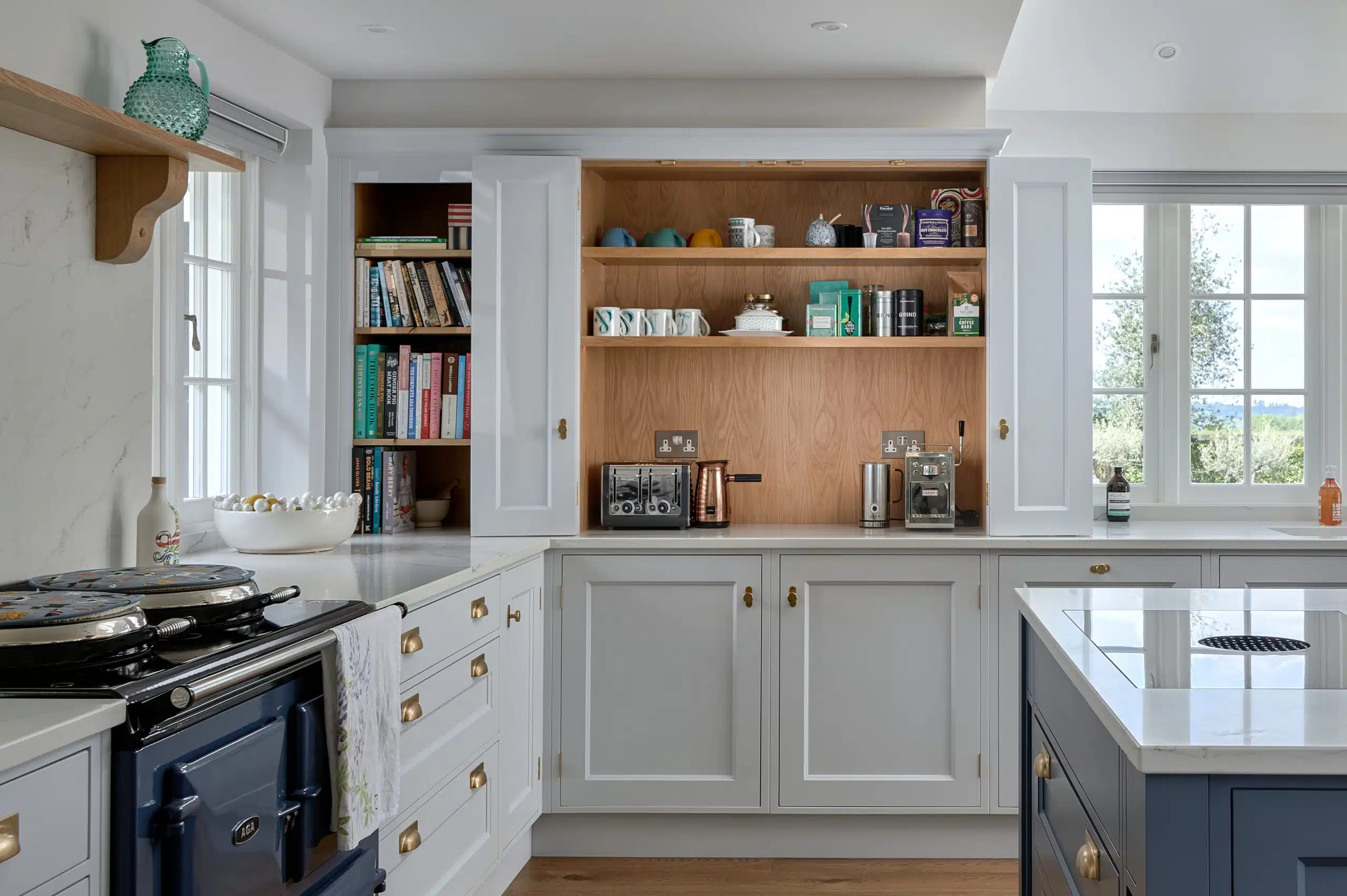
Rencraft
Kent · Est. 1980
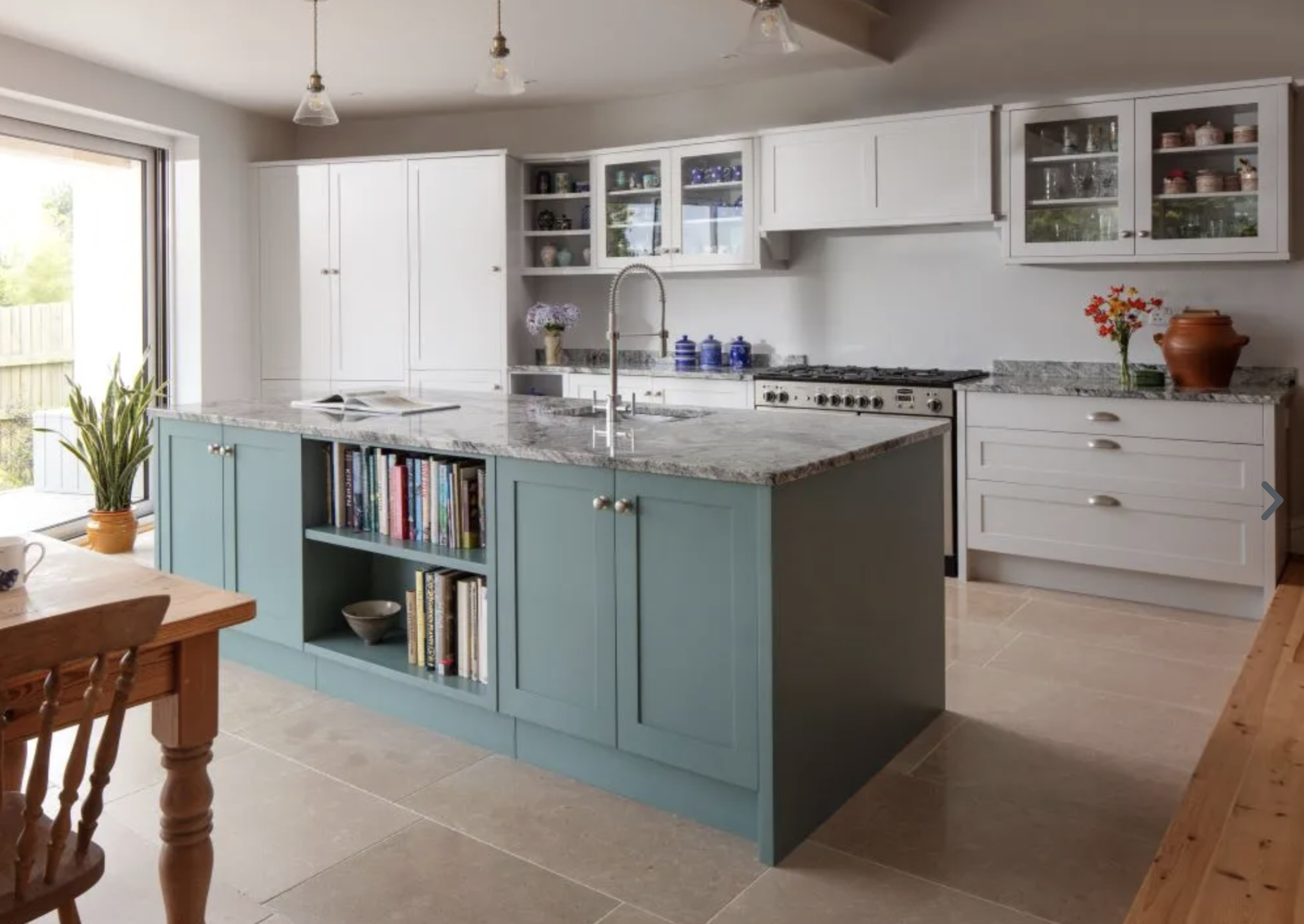
Samuel F Walsh Furniture
Cornwall · Est. 2005
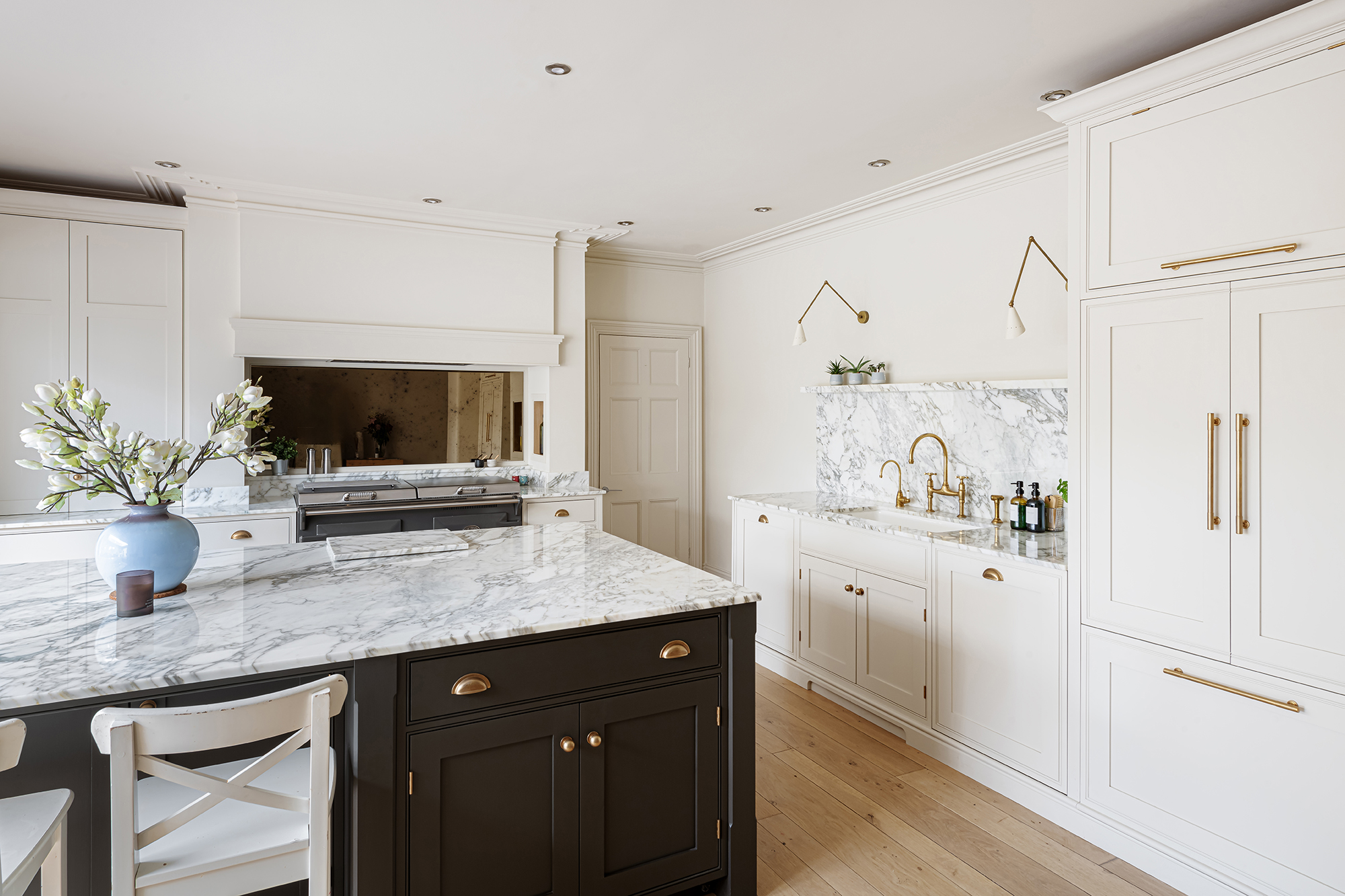
Shaker and May
Somerset
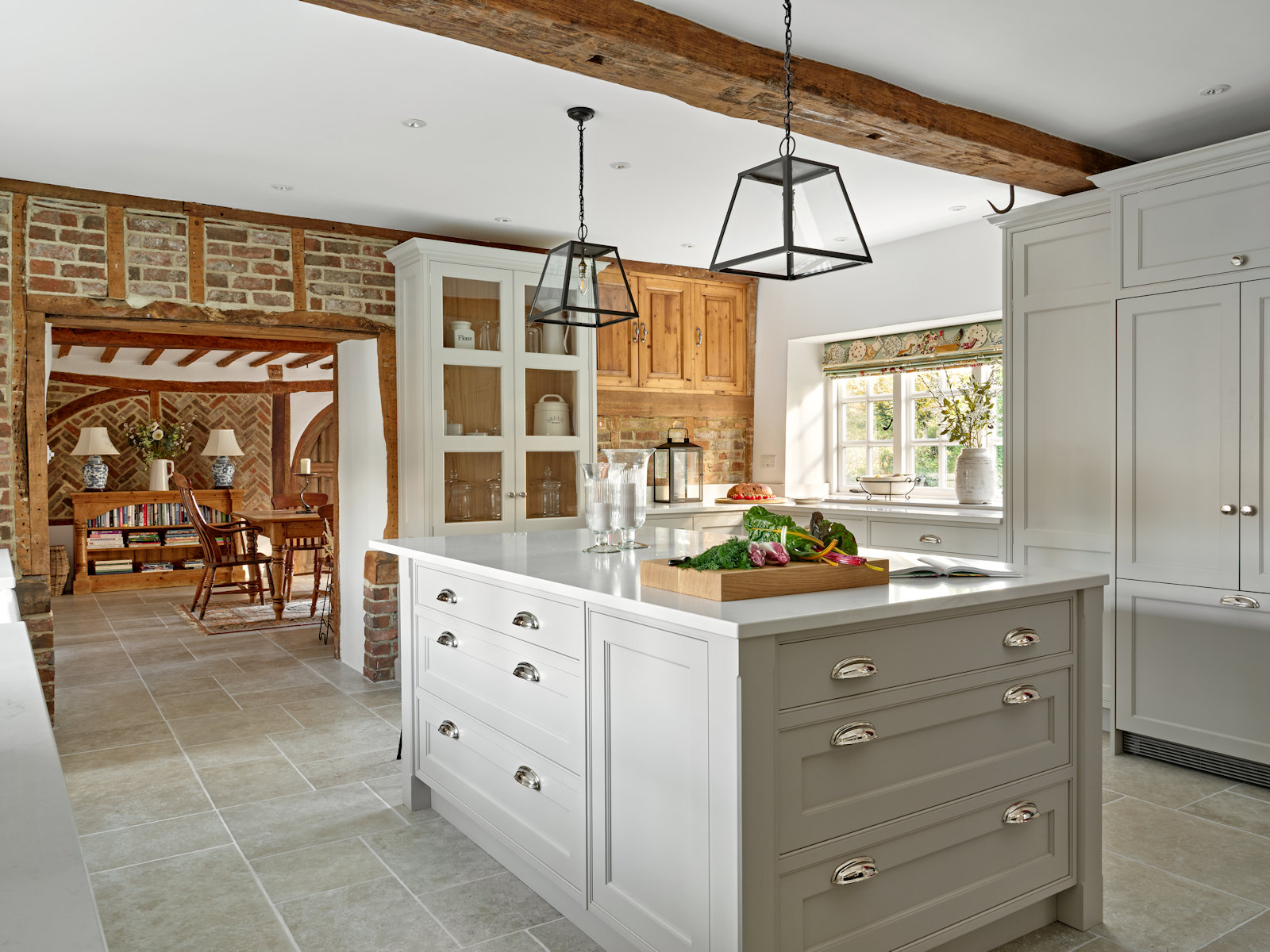
Simon Taylor Furniture
Buckinghamshire · Est. 1985
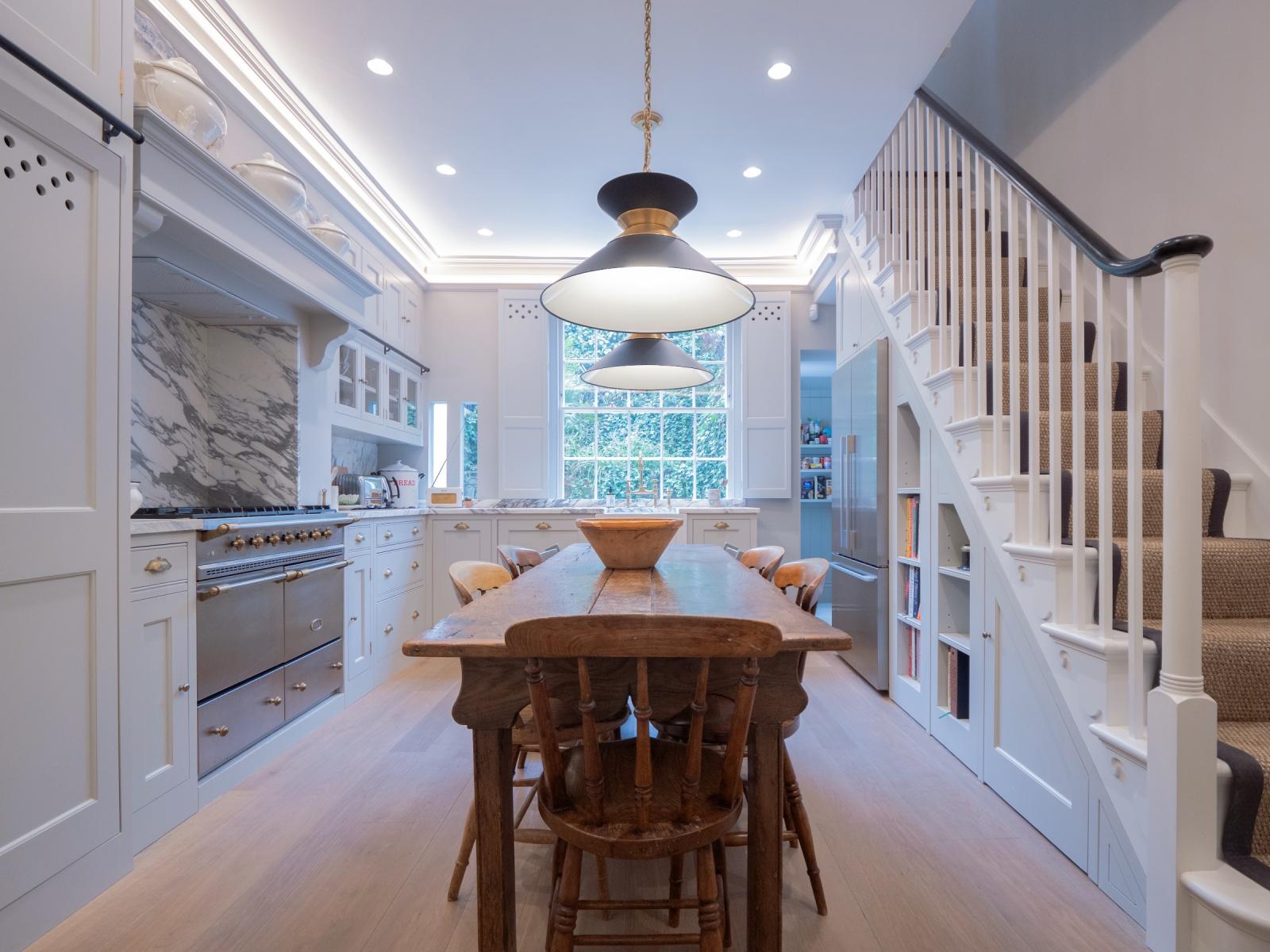
Simons Kitchens
Essex
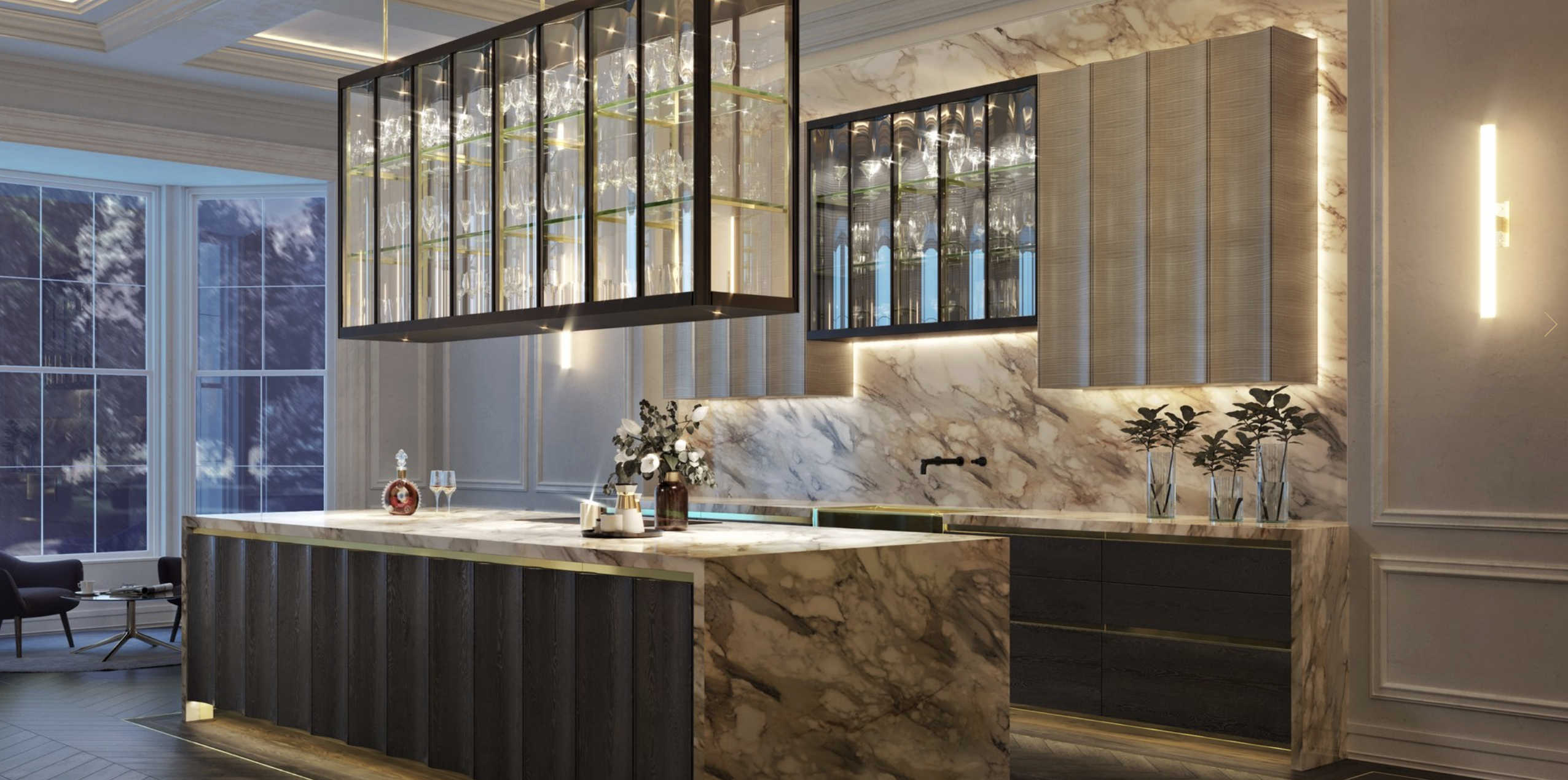
Smallbone of Devizes
Wiltshire · Est. 1978
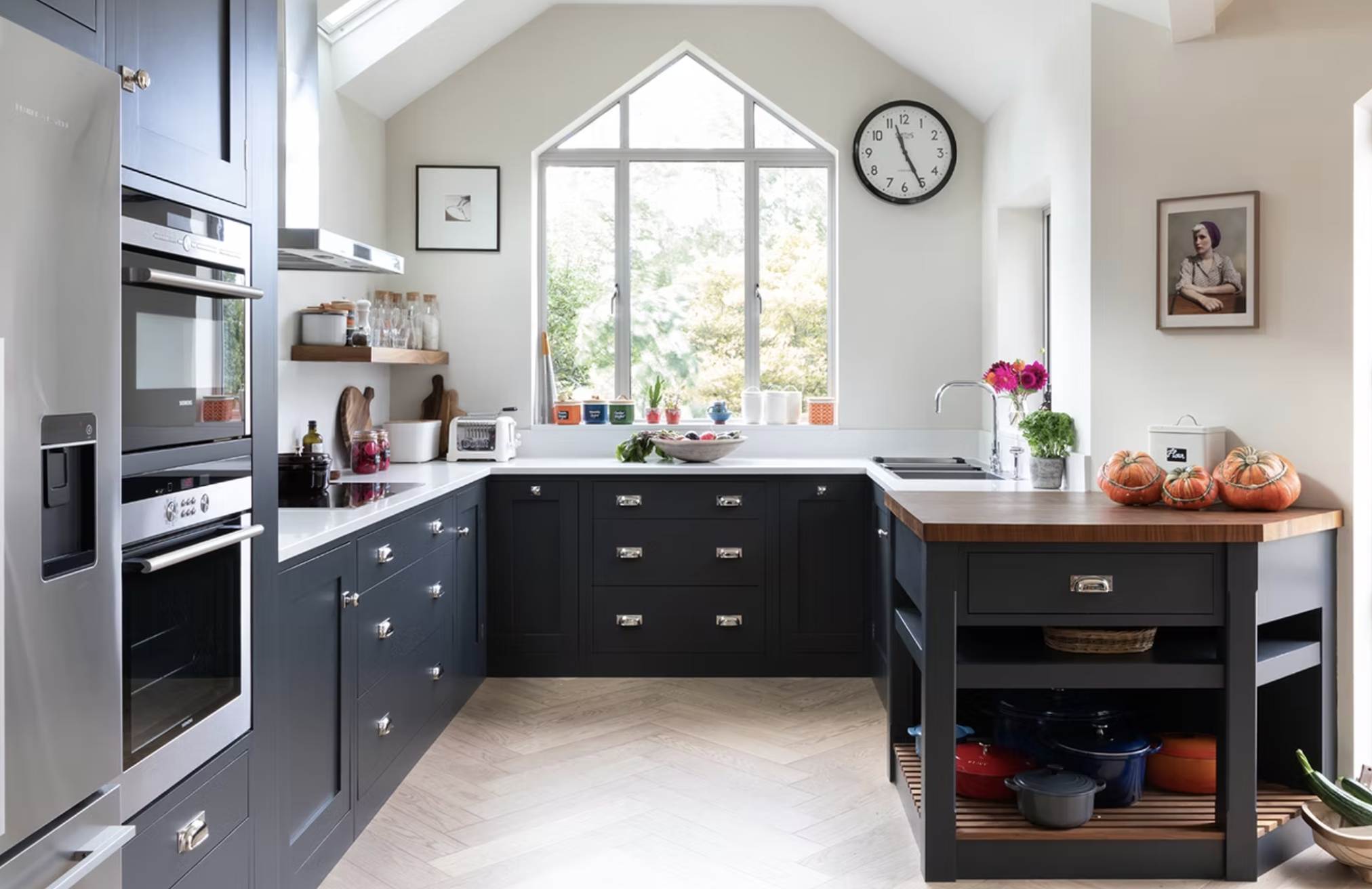
Steven Andrews Bespoke
Oxfordshire
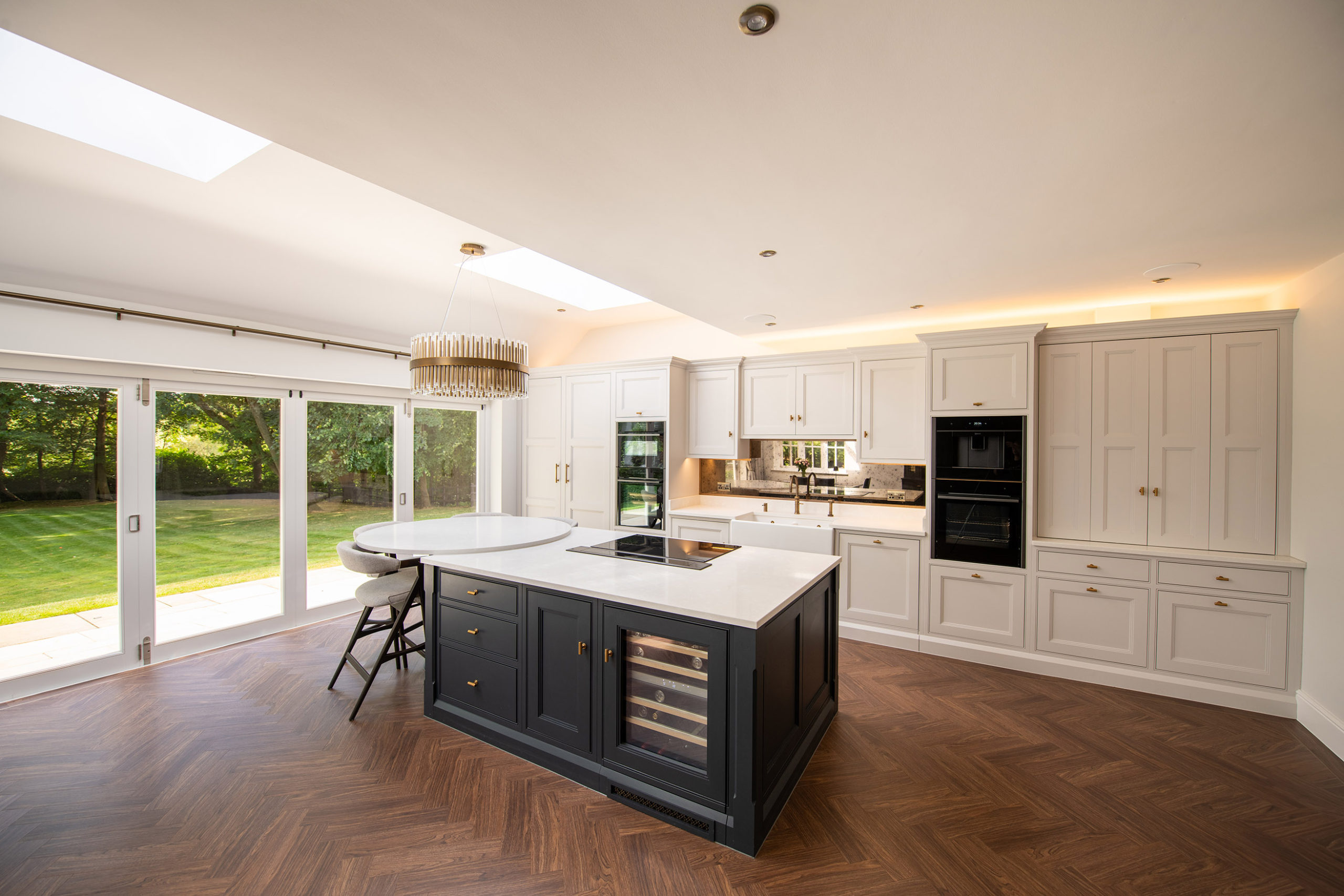
The Handmade Kitchen Company
Essex · Est. 1999
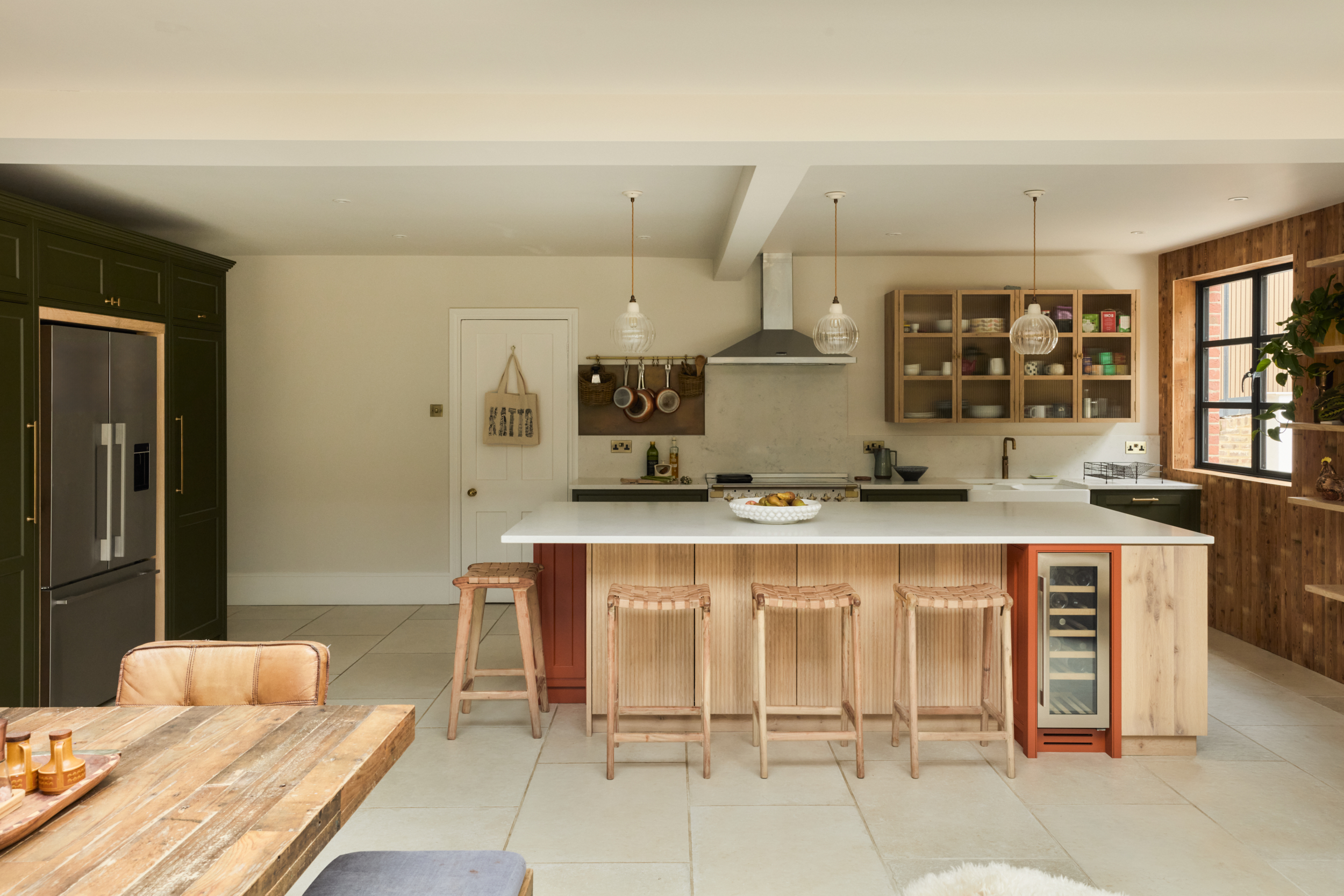
The Main Company
North Yorkshire
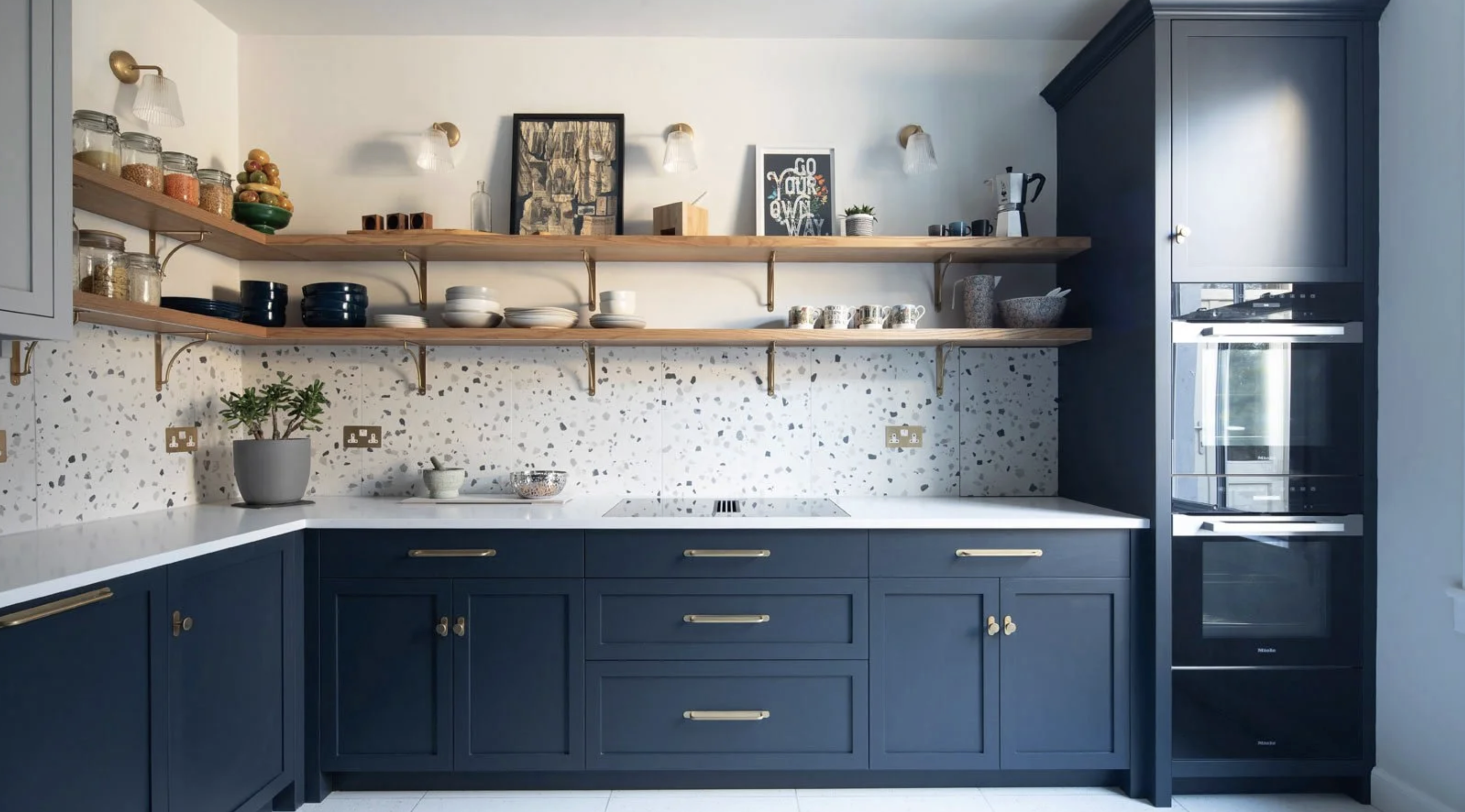
The Painted Kitchen
Fife · Est. 2017
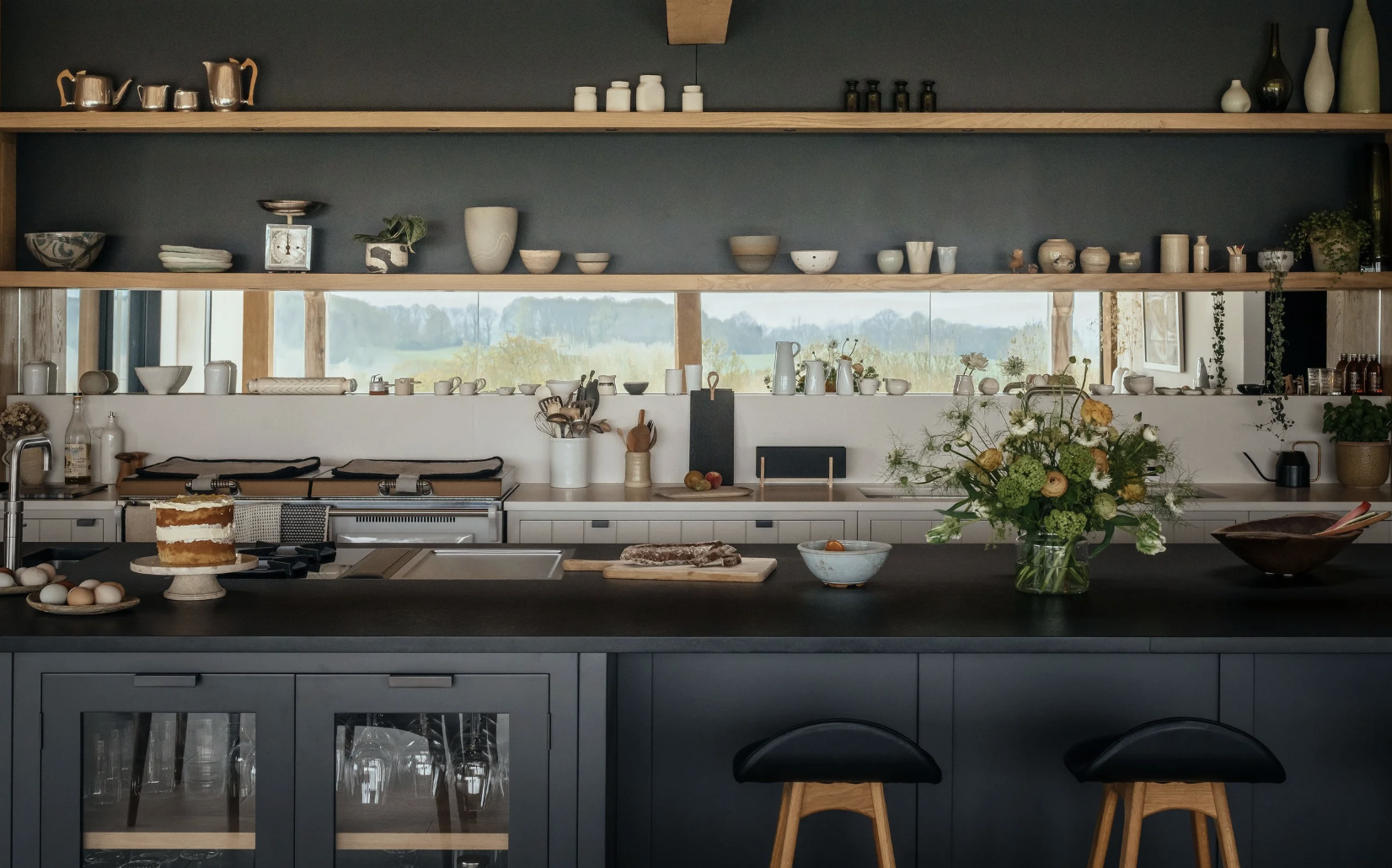
The Rozen Workshop
Cornwall · Est. 1986
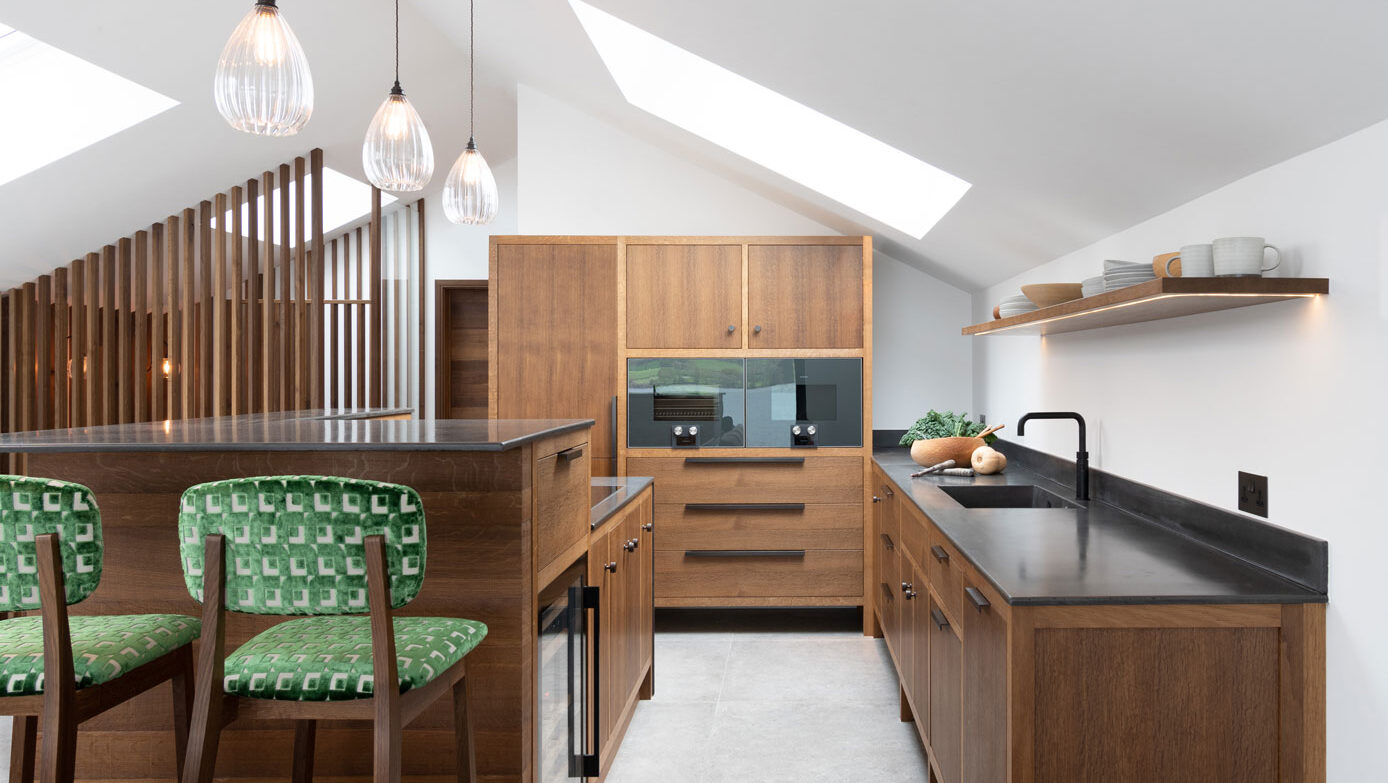
The Rusland Movement
Cumbria · Est. 2013
Touchwood UK
Suffolk · Est. 1993
Woodwise Kitchens
Oxfordshire
Woodwork Kitchens
Kent
What to Ask a Freestanding Kitchen Maker
Start by understanding your project scope — whether you need cabinets only or a full-project service including design, manufacture, worktops, and installation. Understanding kitchen project scope →
Compare pricing across makers carefully. Understanding what affects the cost of a handmade kitchen will help you evaluate quotes like-for-like.
Freestanding Kitchen Questions
- What is a freestanding kitchen?
- A freestanding kitchen consists of individual furniture pieces — cupboards, dressers, larders, and work tables — that are placed in the room rather than fixed to the walls. The making tradition is closer to cabinetmaking than kitchen manufacturing.
- Can you take a freestanding kitchen with you when you move?
- Yes — this is one of the key practical advantages. Because the pieces are furniture rather than fixed fittings, they belong to you rather than to the property. This matters in rented homes and for buyers who relocate frequently.
- How does storage compare to a fitted kitchen?
- Freestanding kitchens can match fitted kitchens for storage density, but it requires careful planning. The best makers in this category have solved the challenge of worktop continuity and appliance integration while maintaining the furniture-quality construction that defines the style.